
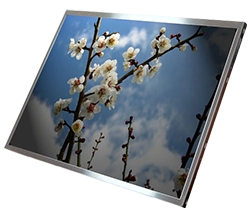
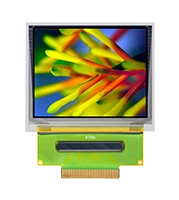
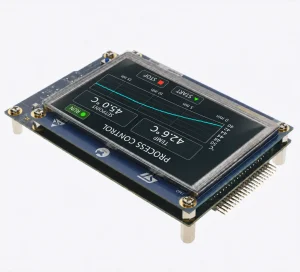
STM32 Display Selection Guide: SPI, FMC, RGB LTDC and MIPI DSI
Choose an STM32 display interface by checking the full MCU part number and package, then working out how many pixels...
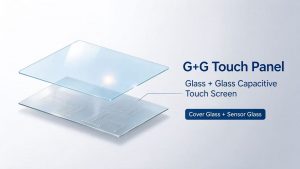
What Is G+G touch panel? A Guide to PCAP touch panel structure
Introduction G+G (Glass + Glass) is a common PCAP touch panel structure that uses a cover glass as the outer...
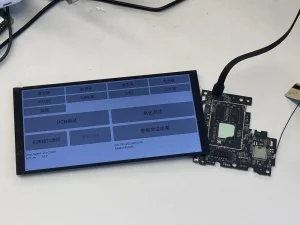
PCBA Reliability Testing: Burn-In, Test Methods, and Pass/Fail Criteria
PCBA reliability testing evaluates how a printed circuit board assembly behaves under defined environmental and operating stresses. Burn-in is one...
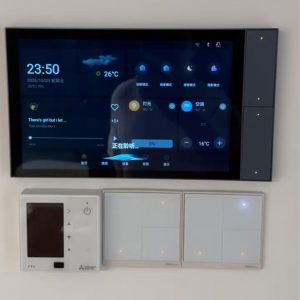
Android Launcher vs. Kiosk Mode for Embedded Devices
Android launcher vs. kiosk mode comes down to two requirements: where users start and what they can access. A launcher...
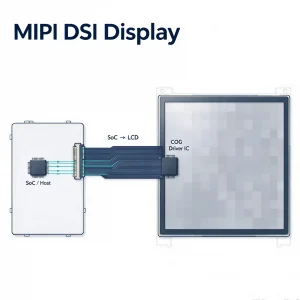
What Is a MIPI Interface? Understanding MIPI DSI for TFT LCD
MIPI interface technology is increasingly seen in today’s electronic devices in particular in the field of small embedded systems, mobile...
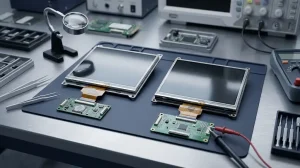
How to Replace a LVDS TFT LCD: 5 Key Compatibility Checks
Replacing an LVDS TFT LCD involves more than matching the screen size and resolution. The replacement must also work with...
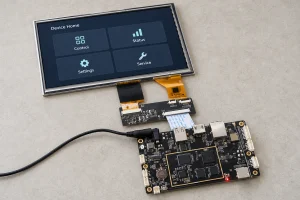
Custom Android Launcher: Turning Your App into an Embedded Device Home Screen
A custom Android launcher makes your Android APP to be the device’s Home screen. For an embedded product, the practical...
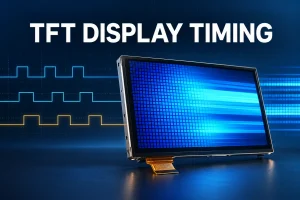
TFT Display Timing: Parameters, Pixel Clock, and a Practical Example
TFT display timing determines when the panel receives valid pixels and how those pixels form lines and frames. An 800...
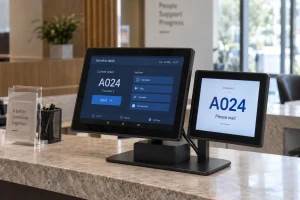
Android Multi Displays: How to Show Different Content on Two Screens
Android multi display support lets an application work with a primary screen and additional displays exposed by the system. This...
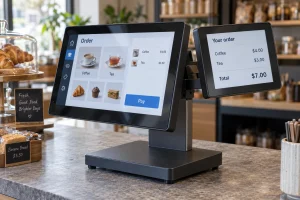
Dual Independent Display: A Guide to Embedded Motherboards
Dual independent display lets one motherboard(Embedded SBC) show different content on two screens at the same time. On a point-of-sale...
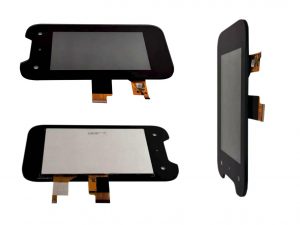
Understanding Display Screen Structure: A Complete Guide to LCD Modules and Touch Panels
What Is Display Screen Structure? A display screen is more than the panel shown on the front of a device....
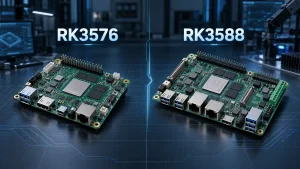
RK3576 vs RK3588: Which SoC Is Better for Industrial HMI?
We have recently received more enquiries for RK3576-based boards. One question comes up regularly: can RK3576 replace RK3588? Sometimes it...
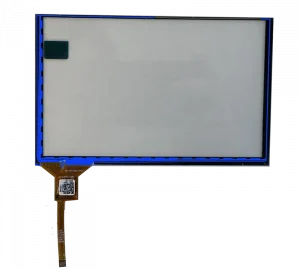
Touchscreen Channel Count Explained: How to Choose the Right TX/RX Configuration
Touchscreen TX/RX channel count is one of the first items we check when laying out a custom capacitive touch sensor....
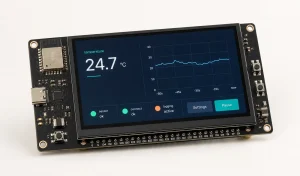
How to Choose the Right Display for ESP32 Projects
Choosing a display for ESP32 project is not simply a matter of matching screen size and resolution. I normally begin...
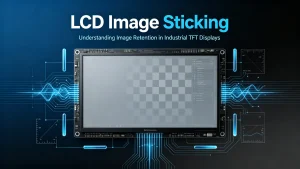
LCD Image Sticking vs. OLED Burn-In: What’s the Difference and How to Fix It
Ever switched to a new screen and caught a faint outline of the old one still hanging around in the...
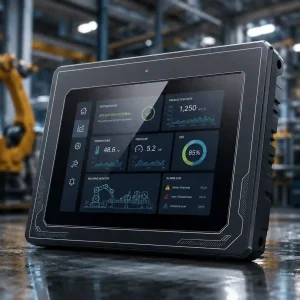
Gorilla Glass Display: A Durable Solution for Industrial Rugged Touch Screen Display
In modern industrial, medical, automotive, and outdoor applications, displays are no longer only used for information viewing. They are now...
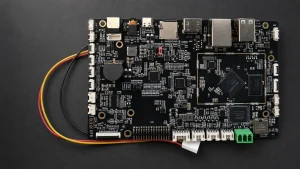
What Is Android PCBA?
An Android PCBA is the assembled main board inside an Android-based product. Unlike a bare PCB, it already carries the...
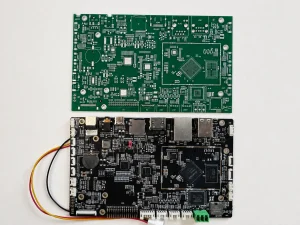
PCB vs PCBA: What Are You Actually Buying?
PCB vs PCBA sounds like a small wording difference, but it changes what a factory is expected to deliver. Order...

Industrial Display Solutions: Choosing the Right Display Architecture
Introduction Nowadays, almost every embedded device needs a display, but apparently, the hardware behind the screen isn’t always the same....

Rockchip SBC for Industrial HMI: RK3566 vs RK3568 vs RK3588
Choosing the right Rockchip SBC for industrial HMI applications requires more than comparing CPU or NPU performance. In many real...

Elevator Display: A Complete Guide to industrial TFT LCD for Elevator Applications
As noted by Elevator World, today’s elevator information systems are undergoing a transformation from simple floor indicators to multimedia information,...

TFT LCD Response Time: Technologies, Driving Methods, and Optimization Strategies
What Is TFT LCD Response Time and Why Does It Matter? Understanding TFT LCD Response Time TFT LCD Response Time...

Anti Glare vs Anti Reflective in Display Cover Glass for Industrial TFT LCD Applications
Why Anti Glare vs Anti Reflective Matters in Display Cover Glass Design In modern display systems, especially in industrial TFT...

FPC vs FFC in TFT LCD Design: How Display Interface, LCD FPC, and FFC Connector Choices Shape Your System
When designing TFT LCD or touch modules, engineers often ask: Should I use FPC or FFC? At first glance, it...