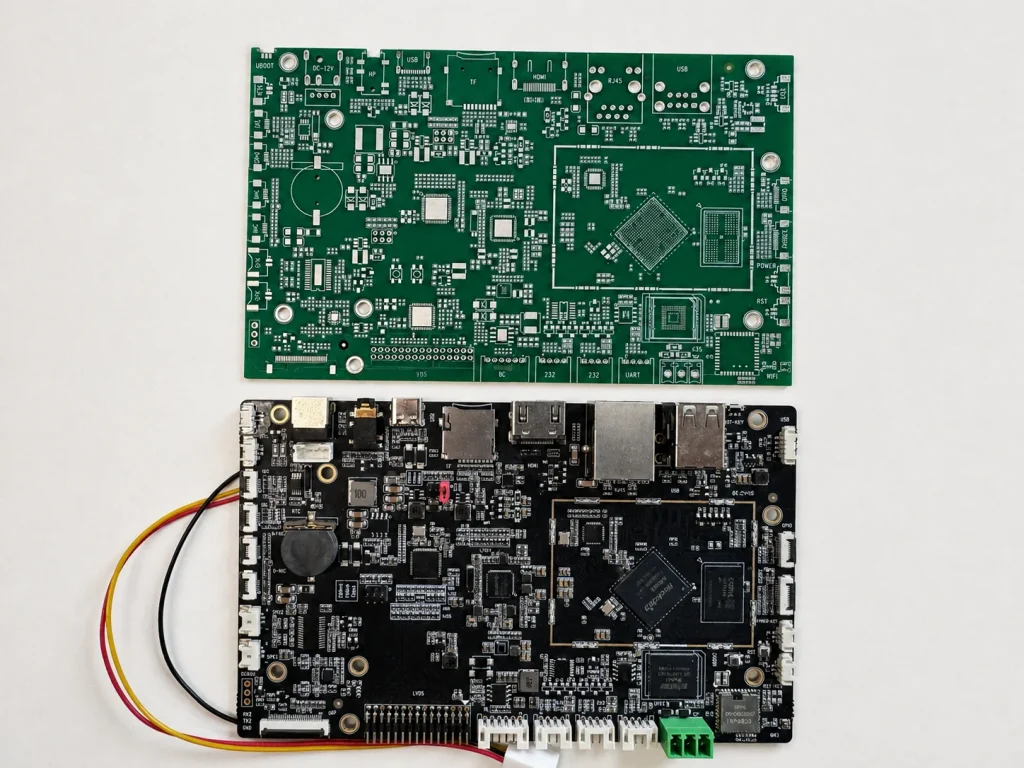
PCB vs PCBA sounds like a small wording difference, but it changes what a factory is expected to deliver. Order a PCB and you may receive a bare board with no components. Order a PCBA and the job can include sourcing, placement, soldering, inspection and testing—provided those items are written into the quotation.
PCB Means the Bare Board
PCB stands for printed circuit board, but on a production floor it normally means the bare board. The copper tracks, pads and vias are finished, along with the solder mask and silkscreen, but none of the working components have been fitted.
The factory can inspect the dimensions and test the copper network for opens or shorts. It cannot test the product function yet because there is no complete circuit to power.
A finished PCB is often called a bare board because it does not yet contain the resistors, capacitors, integrated circuits, connectors, and other parts needed by the circuit. It can be inspected and electrically tested, but it normally cannot perform the intended product function by itself.
For ordinary industrial and consumer boards, FR-4 is usually the starting point. Aluminum-backed or high-frequency materials enter the discussion only when heat or signal loss makes standard FR-4 a poor fit.
PCBA Means the Components Have Been Fitted
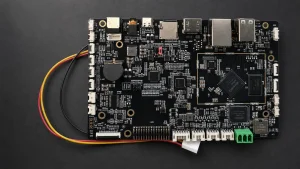
PCBA stands for printed circuit board assembly. It refers to a PCB with electronic components installed on it. In practice, the term can also include the complete assembly process, from purchasing components to final functional testing.
Most small parts go through an SMT line and a reflow oven. Tall connectors, transformers and other leaded parts may be added in a separate through-hole operation. Using both methods on the same board is completely normal.
PCB vs PCBA: A Practical Comparison
| Item | PCB | PCBA |
|---|---|---|
| Production stage | Bare circuit board | Board with components installed |
| Main purpose | Provides mechanical support and electrical connections | Performs the intended electronic function |
| Required data | Gerber or ODB++, drill files, and fabrication notes | PCB data, BOM, placement file, assembly drawing, and test requirements |
| Typical processes | Imaging, etching, drilling, plating, solder mask, and surface finishing | Solder paste printing, component placement, reflow, and inspection |
| Testing | Continuity, isolation, and dimensional inspection | AOI, X-ray, ICT, programming, and functional testing |
| Cost structure | Material, layer count, size, finish, and fabrication complexity | Bare PCB, components, assembly labor, tooling, and testing |
How a PCB Becomes a PCBA
Assembly begins with a file review, not with the placement machine. The factory checks whether the BOM matches the footprints, whether polarized parts are clearly marked and whether the listed components can actually be purchased. A mismatch here can stop the job before solder paste reaches the first board.
For an SMT run, the stencil comes first, followed by placement and reflow. AOI catches visible mistakes. It cannot see the solder joints under a BGA, which is why boards with hidden connections may need X-ray inspection.
Through-hole parts are normally added afterward. Cleaning, firmware loading, coating and functional testing are separate operations and should appear in the quotation when required. A populated board is not automatically a tested board.
At this stage, process control becomes important. A board may look complete while still containing an insufficient solder joint, reversed diode, wrong resistor value, or damaged integrated circuit. That is why PCBA quality cannot be judged only by appearance.
What Files Are Needed?
Ordering bare PCBs usually requires fabrication data, drill information, a board outline, and PCB manufacturing notes. The notes should define the material, copper weight, thickness, surface finish, solder-mask color, controlled impedance, and any special requirements.
A PCBA order needs additional information. The bill of materials identifies each component, while the pick-and-place file provides its position and rotation. An assembly drawing shows polarity, orientation, and any parts that should not be fitted.
A good BOM should contain manufacturer part numbers rather than vague descriptions. Writing “10 kΩ resistor” leaves several important questions unanswered, including package size, tolerance, power rating, and temperature coefficient. Clear production data prevents substitutions from becoming engineering guesses.
Why Does PCBA Cost More?
The price gap in a PCB vs PCBA order comes from more than the soldering step. PCB cost is mainly about board construction: size, layer count, material, hole structure and quantity. PCBA pricing adds the component bill, setup and assembly work. On processor or wireless boards, the parts may cost several times more than the bare PCB.
Low-volume assembly often looks expensive because setup is spread over only a few units. The stencil and machine programming are still needed whether the run contains 20 boards or 2,000.
Testing PCB and PCBA Products
Bare-board electrical testing checks for open and short circuits against the supplied netlist. This confirms that the manufactured copper connections match the design, but it says nothing about how the final circuit will operate.
PCBA testing has a wider scope. Automated optical inspection can find missing, shifted, or incorrectly oriented components. X-ray inspection is useful for hidden solder joints. In-circuit testing measures selected components and electrical nodes, while functional testing powers the board and checks its actual behavior.
For a serious production product, functional testing should be discussed while the board is still being designed. Accessible test points, programming connections, and diagnostic firmware make factory testing faster and more reliable. Adding them after layout is complete is usually inconvenient.
PCB vs PCBA: Which Service Should You Order?
Choose a PCB service when you need bare boards and intend to handle component purchasing and assembly yourself. This is common for universities, development laboratories, and companies with their own production lines.
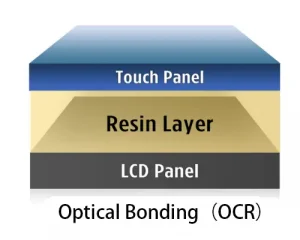
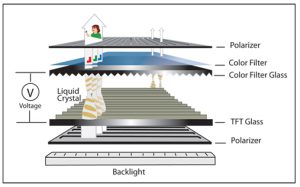
Choose PCBA service when you want a manufacturer to supply assembled boards. A turnkey supplier may purchase the components, fabricate the PCBs, assemble them and perform testing. When the product must also run Android, support a specific display or touch controller, and ship with a validated BSP, an Android PCBA project combines board assembly with software integration and functional testing.
For projects that also need a non-standard board outline, tailored I/O, SoC selection or long-term BSP support, custom SBC design and manufacturing is usually a better fit than assembly-only PCBA service.
Conclusion
For a buyer, PCB vs PCBA is ultimately a question of delivery state. A PCB order normally ends with bare boards; a PCBA order may include populated, programmed or fully tested assemblies. Write the required delivery state in the RFQ, because the abbreviations alone do not define the full scope.
On one of our controller projects, the connector set cost more than the bare six-layer PCB, so comparing board prices alone gave purchasing the wrong picture.
Frequently Asked Questions
Does PCBA service always include component sourcing?
No. Some factories assemble components supplied by the customer, while a turnkey PCBA supplier purchases the parts on the customer’s behalf. The quotation should state clearly who is responsible for sourcing and whether alternative parts may be used.
Is a PCBA ready to use as soon as assembly is finished?
Not necessarily. The board may still need firmware programming, functional testing, cleaning or conformal coating. A populated board and a production-ready assembly are not automatically the same thing, so these additional operations should be listed in the order.
What files are needed for a PCBA quotation?
A supplier will normally need the PCB fabrication files, bill of materials, pick-and-place data and an assembly drawing. Programming files and test instructions should also be provided when the factory is expected to deliver programmed or fully tested boards.