What Is TFT LCD Response Time and Why Does It Matter?
Understanding TFT LCD Response Time
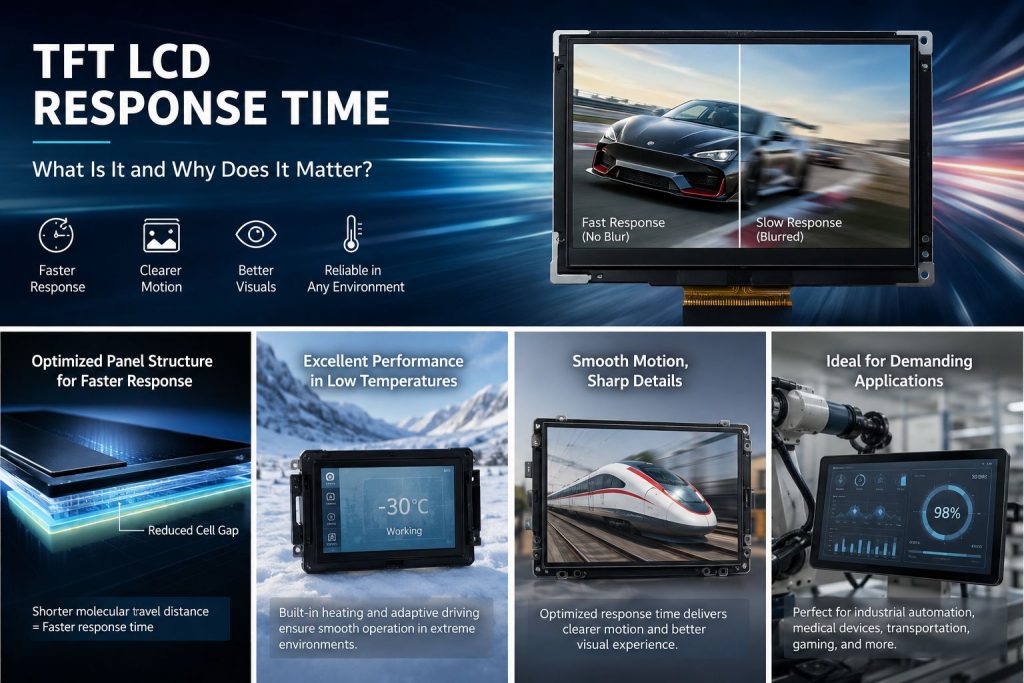
TFT LCD Response Time is the time it takes for the liquid crystal molecules to switch from one grey level to another when the driving voltage changes. It is usually comprised of rise time (black-to-white) and fall time (white-to-black), but when modern displays are specified, it is more often gray-to-gray (GtG) response time that is considered more representative of real-world image transitions.
The shorter response time allows for smoother motion, distinct moving objects and an overall better viewing experience.
How Slow Response Time Affects Display Performance
When the response time is too long, moving images may exhibit:
- Motion blur
- Ghosting
- Color trailing
- Reduced dynamic contrast
- Lower image sharpness
The impact of these effects is more pronounced when it comes to applications that demand rapid images updates like industrial automation, medical imaging, transportation systems, gaming equipment, and digital signage.
TFT LCD Response Time Optimization Through Materials and Panel Design
Reducing the gap of Liquid Crystal Cells
One of the most effective ways to improve TFT LCD Response Time is reducing the liquid crystal cell thickness.
Thinner cells have a shorter distance for the molecules to travel when changing states, and so respond faster. But engineers have to do a balancing act, however, with the response time as well as optical performance, brightness and viewing angle.
Most modern small size TFT display products will try to optimize the cell structure so as to achieve a high speed response and excellent image quality.
OCB Technology for Faster Switching
Optically Compensated Bend (OCB) technology is recognized as one of the fastest LCD operating modes.
OCB differs from conventional TN because the molecules of the liquid crystal are aligned in a bend rather than a cross.The OCB differs from the conventional TN by aligning the molecules of the LC in a bend configuration, which makes them more adept at rotating when voltage is applied.
Compared with traditional driving methods, OCB panels combined with capacitive coupling driving can deliver approximately twice the response speed while maintaining excellent grayscale performance—even under low-temperature conditions.
Advanced Driving Technologies That Improve TFT LCD Response Time
Overdrive Technology (Response Time Acceleration)
Overdrive, also known as Response Time Acceleration (RTA), has become one of the industry’s most widely adopted solutions.
The driver does not apply the target voltage to the display directly, but only briefly applies a higher voltage to fasten movement of the liquid crystal and then applies the target voltage for a short time to stabilize the screen to the desired gray level.
The benefits include:
- Faster gray-to-gray transitions
- Reduced ghosting
- Sharper moving images
- Improved motion clarity
Timing controllers used in the modern electronic world carefully control the overdrive voltage to achieve overshoot reduction while limiting power consumption of the circuit.
Capacitive Coupling Driving Technology
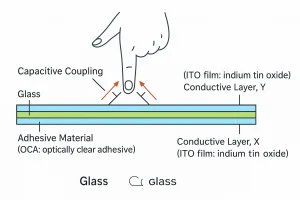
Capacitive Coupling (CC) driving improves pixel charging efficiency.
In traditional TFT pixel circuits, the luminance at low grayscale levels may be too low to produce stable luminance and slow response.
These limitations can be overcome by CC driving which delivers more uniform charging to the pixels and greater electrical stability at different gray levels.
Multi-Field Driving for Motion Enhancement
Multi-Field Driving (MFD) divides each frame into multiple sub-fields.
The display dynamically adjusts the number of sub-fields according to image movement, allowing:
- Lower driving power during static images
- Better motion resolution
- Improved energy efficiency
This is useful for products that are used for extended periods of time, to reduce screen brightness and energy consumption.
TFT LCD Response Time Optimization for Low-Temperature Industrial LCD Panel Applications
Why Cold Temperatures Slow Down LCD Response
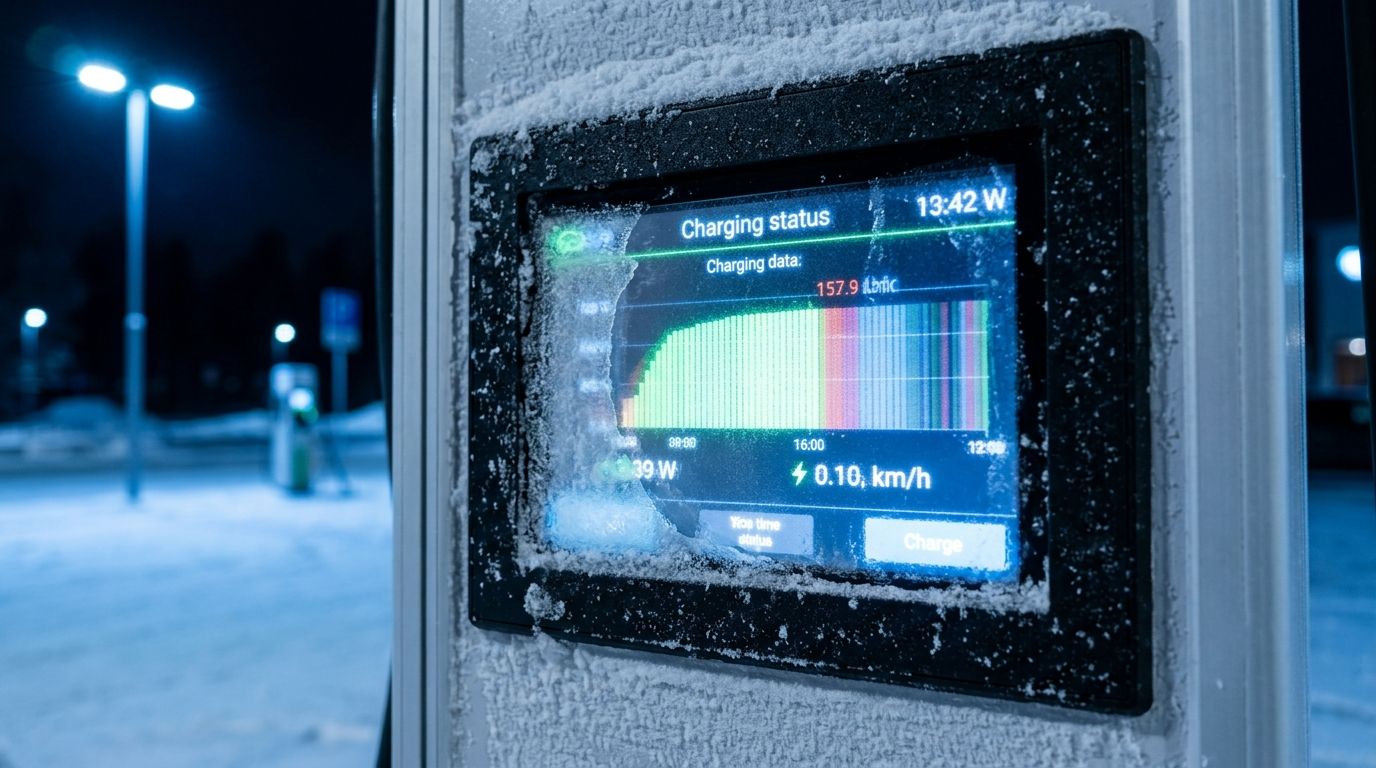
Liquid crystal viscosity increases significantly at low temperatures.
As molecular movement slows, TFT LCD Response Time becomes much longer, resulting in:
- Image lag
- Smearing
- Slow menu transitions
- Poor outdoor visibility
This is particularly significant for displays in the outdoors, EV charging stations, industrial controllers, agricultural equipment and displays in transportation.
Internal Heating Technologies
The temperature sensors and inner heating circuits are incorporated into many modern Industrial LCD Panel designs.
These systems heat the panel automatically before it starts up normal operation, so that the liquid crystal molecules can obtain sufficient mobility.
Experimental results have demonstrated that integrated heating systems can be effective in achieving excellent display performance over very broad temperature ranges.
Temperature-Adaptive Driving Algorithms
Advanced controller adjusts the driving voltage waveform dynamically according to the ambient conditions, not with the same voltage at each temperature.
This is an adaptive driving method that stabilizes the grayscales transitions and the image quality without causing too much response delay.
Intelligent control plays an increasingly important role in outdoor applications of industrial LCD panels in harsh environments.
System-Level Design Strategies for Faster TFT LCD Response Time
Simulation-Based Panel Optimization
More and more display manufacturers are using a numerical simulation prior to mass production.
Using finite difference methods and iterative simulations, engineers can simulate the response of a design and then determine the effect of the design variables, such as pre-tilt angle, anchoring energy, and the alignment of the liquid crystal.
The benefits of simulation are greatly reduced prototyping costs and the reduction of development cycles.
Manufacturing Improvements for High-Speed Displays
In addition to materials and driving circuits, the manufacturing accuracy also affects TFT LCD Response Time.
More predictable movement of the liquid crystal and more consistently good performance are provided by consistent cell gap control, precise alignment layers and uniform backlight structures.
Some high-performance OCB structures with two nucleation centres achieved response time as short as 4.8ms, which is appropriate for a variety of demanding applications, such as field-sequential colour display applications.
Selecting the Right Display and SBC Solution
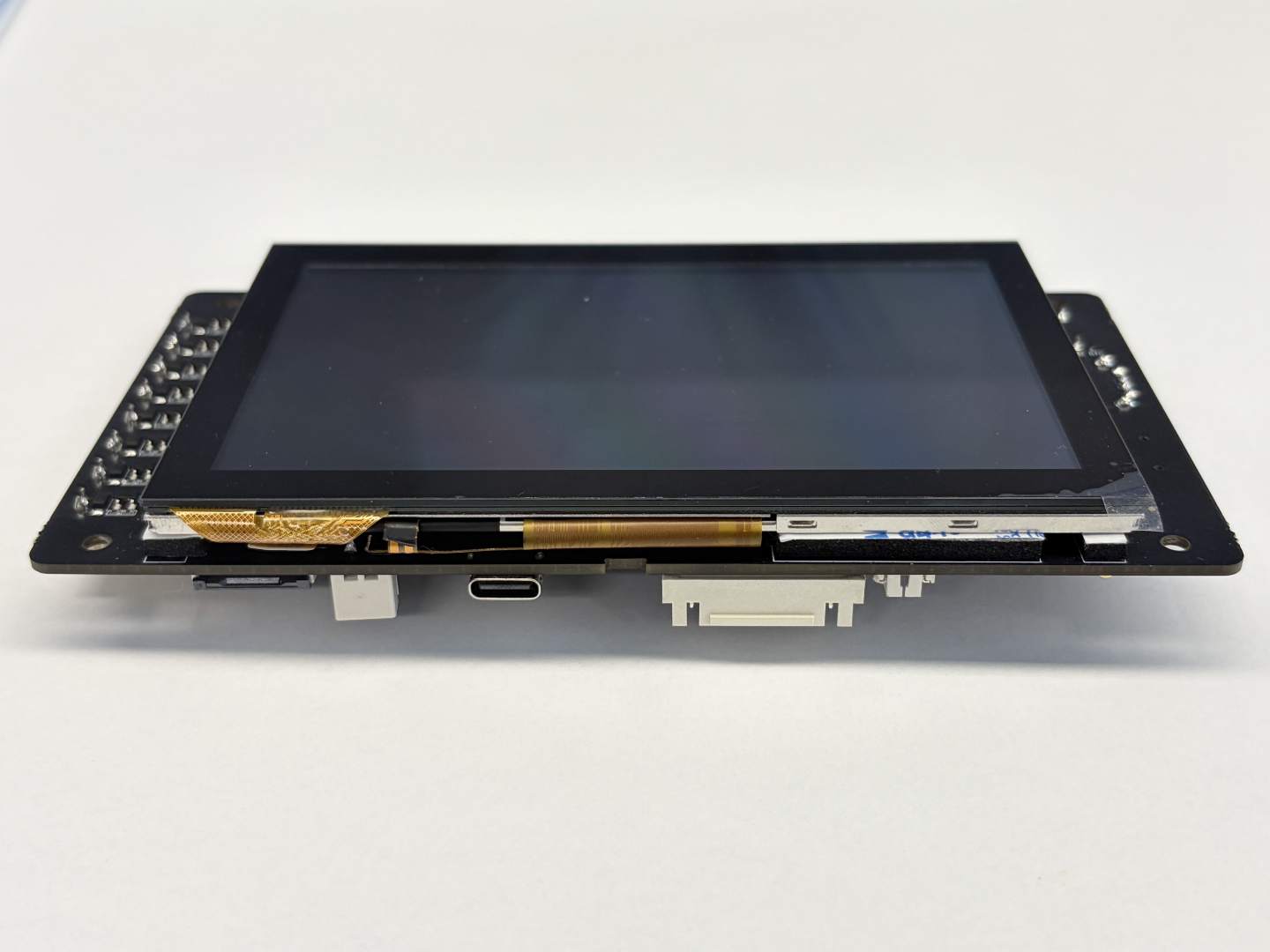
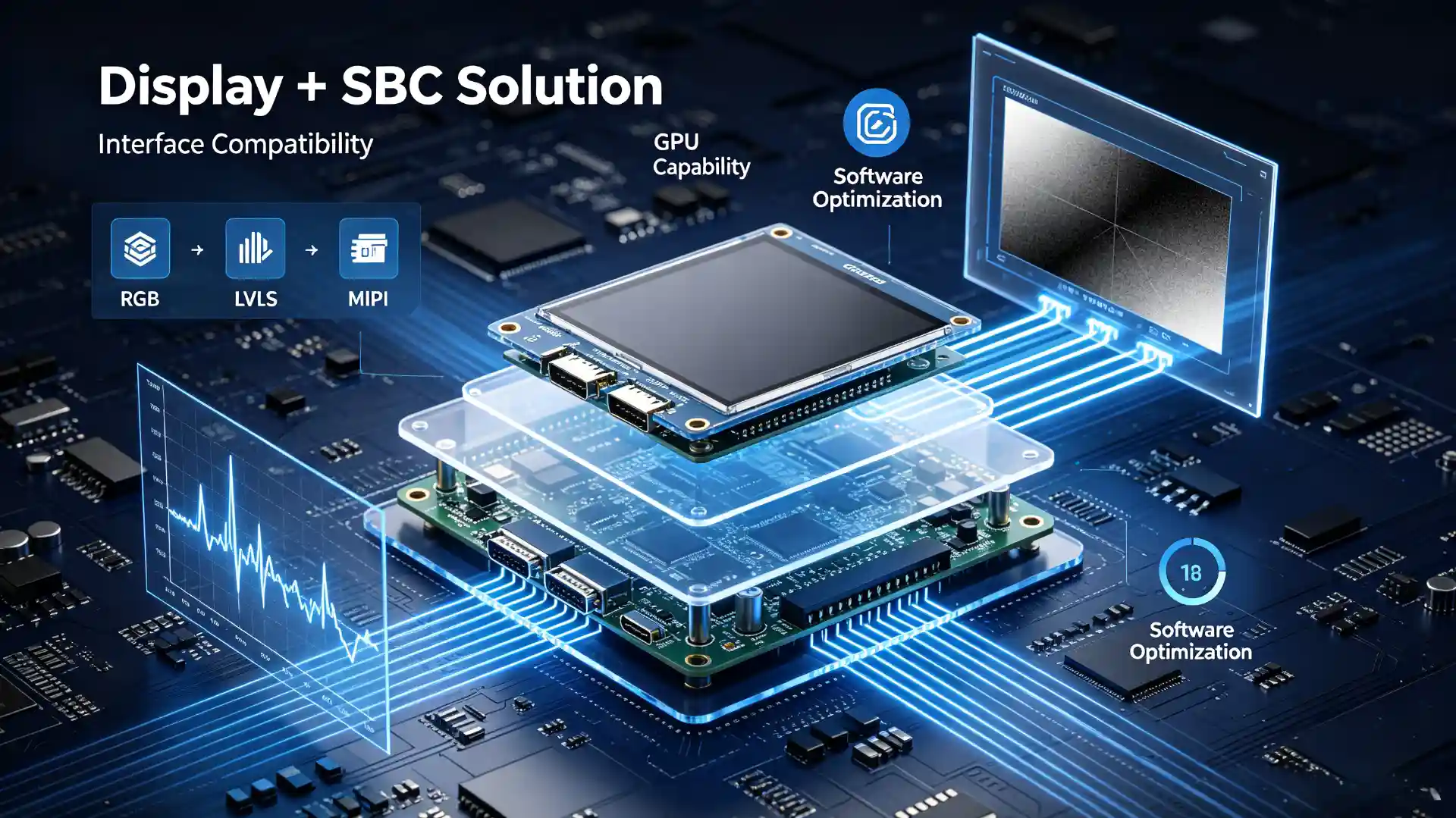
Optimizing TFT LCD Response Time is not only about the display itself.
The motion quality is impacted by a complete SBC solution, display interface, timing controller, GPU capability and software optimization.
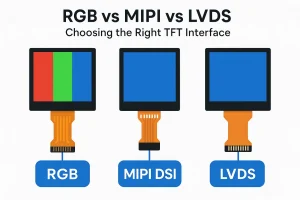
When it comes to embedded systems running with RGB, LVDS or MIPI interfaces, the key is to ensure that the display is matched to an appropriate processor board, so that image rendering is smooth with maximum hardware performance.
When selecting a TFT LCD module, engineers should evaluate:
- Response time
- Refresh rate
- Brightness
- Wide-temperature capability
- Interface compatibility
- Power consumption
- Long-term supply availability
Conclusion
With the continued growth of display applications in industrial automation, medical equipment, transportation, smart retail, and EV charging infrastructure, the TFT LCD Response Time is becoming increasingly important in the overall quality of a display.
In order to achieve the high speed response rates that are required for today’s demanding applications, the new high performance TFT LCD modules use a number of different features and enhancements: Optimized Liquid Crystal Materials, Thinner Panel Structure, OCB Technology, Overdrive Algorithms, Capacitive Coupling Driving, Intelligent Temperature Compensation, and Advanced Manufacturing.
Optimized motion characteristics, user experience and long-term system reliability depend on the selection of a high-quality small size TFT display or industrial LCD panel that has optimized response characteristics, as well as a reliable SBC solution. However, as the technologies develop, TFT LCD will continue to be a very competitive technology for applications that demand very high image quality, durability and reliability in difficult applications.
Frequently Asked Questions About TFT LCD Response Time
What is TFT LCD response time?
TFT LCD response time is the time required for liquid crystal molecules to change from one gray level to another after the driving voltage changes. It is commonly measured as gray-to-gray (GtG) response time because this better represents typical image transitions.
Why is response time important for a TFT LCD?
A shorter response time helps a TFT LCD display moving content more clearly. Slow response times can cause motion blur, ghosting, color trailing, reduced contrast, and lower image sharpness, especially in applications with rapidly changing images.
How can TFT LCD response time be improved?
Response time can be improved through optimized liquid crystal materials, thinner liquid crystal cells, OCB panel structures, overdrive technology, capacitive coupling driving, temperature-adaptive control, and precise manufacturing processes.
Why do TFT LCD panels respond more slowly at low temperatures?
Low temperatures increase the viscosity of the liquid crystal material, slowing molecular movement and gray-level transitions. Industrial LCD panels can reduce this effect through internal heating systems and temperature-adaptive driving algorithms.
What should engineers consider when selecting a fast-response TFT LCD?
Engineers should consider response time, refresh rate, brightness, operating temperature range, interface compatibility, power consumption, processor performance, and long-term product availability. The display, timing controller, interface, GPU, and software should also be evaluated
as a complete system.