
Outdoor Display

Outdoor displays designed for sunlight, weather, and long-term reliability

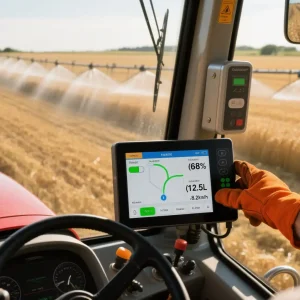
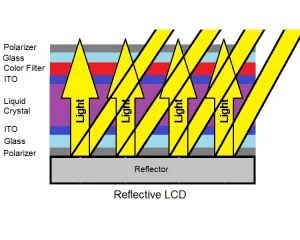
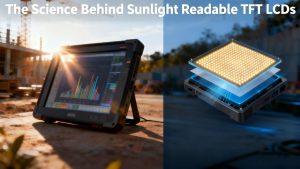
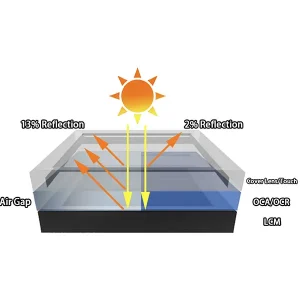
Outdoor displays are built for environments where standard screens quickly fail. Direct sunlight, wide temperature swings, moisture, dust, and continuous operation place far higher demands on display hardware than indoor use. In outdoor applications, readability is the first requirement—high brightness alone is not enough without proper contrast, optical bonding, and surface treatments that reduce reflection and glare. Engineers must also consider thermal management, UV resistance, and enclosure integration to ensure the display remains stable over time. From public information terminals and self-service kiosks to transportation systems and energy infrastructure, outdoor displays play a critical role in delivering clear information where conditions are unpredictable and often harsh.

Key considerations when selecting and integrating outdoor displays

Designing with an outdoor display requires a system-level approach. Brightness targets must be matched with power consumption and heat dissipation, especially in sealed enclosures exposed to sunlight. Optical bonding is often used to improve contrast and eliminate internal reflections, while anti-UV cover glass helps prevent yellowing and degradation over long deployments. Temperature ratings, humidity tolerance, and condensation control are equally important, as outdoor systems may face freezing nights and high daytime heat. Touch technology selection—such as projected capacitive versus resistive—must account for gloves, rain, and false touches. The articles under this tag focus on these real-world challenges, offering guidance on display technologies, integration strategies, and reliability practices that help outdoor display projects move from prototype to dependable field operation.

🏷️ Related Tags

Explore more content closely related to this topic.