Introduction
Smart buildings are no longer a vision of the future—they are rapidly becoming the global standard for commercial and residential construction.
As building automation systems become more connected, traditional wall controllers are increasingly struggling to meet modern requirements for flexibility, scalability, and centralized management.
At the heart of this transformation is the Human-Machine Interface (HMI): the touchscreen panel that allows occupants and facility managers to interact with HVAC, lighting, security, and energy management systems.
Among the latest HMI innovations, PoE (Power over Ethernet) touch panels stand out for their ability to deliver both electrical power and network data through a single Ethernet cable.
What Is a PoE Touch Panel?
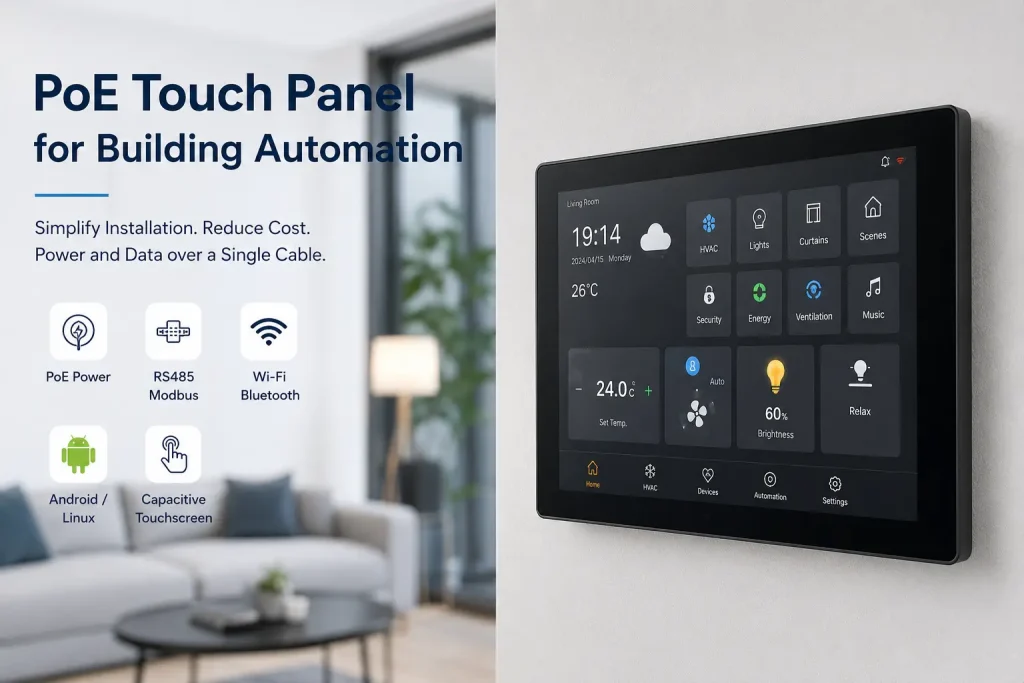
A PoE touch panel is a wall-mounted HMI device powered and connected entirely through a single Ethernet cable, using the IEEE 802.3af/at Power over Ethernet standard. Unlike traditional control panels that require separate runs of power cable and communication wiring, a PoE panel draws up to 25.5W (PoE+) directly from a network switch — eliminating the need for a local power adapter or AC outlet.
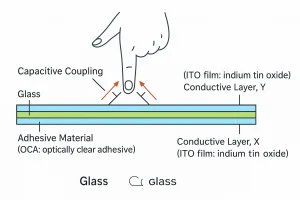
A full-featured PoE touch panel typically integrates:
- Capacitive touchscreen with multi-touch support
- TFT LCD display (commonly 4.3″, 7″, or 10.1″)
- Gigabit or Fast Ethernet with PoE input
- RS485 / Modbus RTU for legacy HVAC device communication
- Wi-Fi and Bluetooth for wireless connectivity
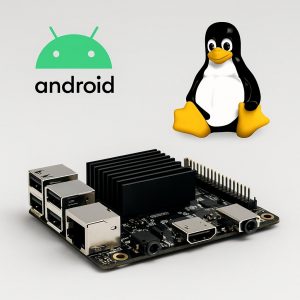
- Android or Linux OS for flexible application deployment
This combination of power simplicity and communication versatility makes PoE touch panels an increasingly preferred HMI platform for modern building automation projects.
Why PoE Touch Panels Are Replacing Traditional Thermostats
For many years, thermostats were designed primarily to control temperature.
Today, building occupants expect a much richer user experience. Modern control panels are increasingly required to manage:
- HVAC systems
- Lighting
- Motorized curtains
- Access control
- Energy monitoring
- Smart home devices
Instead of installing multiple wall controllers, a single PoE touch panel can provide a unified interface for building management.
As a result, PoE-enabled HMI panels are rapidly replacing traditional thermostats in both residential and commercial projects.
Why PoE Is Gaining Traction in Building Automation
1. Dramatically Simplified Cabling
Traditional wall-mounted control panels require three separate infrastructure elements: a power cable, a communication cable, and often a dedicated power adapter or transformer. Each adds cost, consumes installation time, and introduces additional failure points.
With PoE, a single Cat5e or Cat6 cable replaces all of this. For large commercial projects — office buildings, hotels, hospitals — where dozens or hundreds of control panels may be deployed, this consolidation translates into measurable reductions in both material and labor costs.
2. Centralized Power Management and Monitoring
PoE switches provide centralized control over every connected device. Facility managers can remotely power-cycle a panel, monitor power consumption per port, or implement a building-wide UPS backup at the switch level rather than installing individual battery backups at each panel location.
This centralization is particularly valuable in hotels, healthcare facilities, and data-driven commercial buildings where uptime and remote management are critical operational requirements.
3. Flexible Deployment and Relocation
Because PoE panels only require a network drop, they can be repositioned or added to a building with minimal disruption. This flexibility is increasingly important in modern office and co-working environments where room configurations change frequently.
Key Applications of PoE Touch Panels
HVAC Control Systems
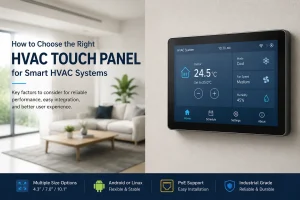
HVAC is the most widespread application for PoE touch panels. A single panel can serve as the primary interface for:
- Split and multi-split air conditioning units
- Heat pump systems
- Floor heating and fan coil control
- Fresh air and ventilation management
- Indoor air quality (CO₂, humidity, PM2.5) monitoring
When paired with RS485/Modbus communication, PoE panels can directly interface with virtually all major HVAC brands and controllers without additional gateways.
Smart Home and Residential Automation
Residential automation systems demand aesthetics as much as functionality. PoE touch panels provide a clean, minimalist wall interface for controlling lighting scenes, motorized curtains, multi-room audio, and security — all without visible power adapters or messy wiring behind the panel.
Hotel Room Automation
Hospitality is one of the fastest-growing segments for PoE HMI deployment. A guest-facing touchscreen can consolidate room temperature, lighting, curtain control, DND/MUR status, and even welcome messaging into a single elegant interface. Hotel management benefits from centralized room monitoring and energy optimization through the same network infrastructure.
Building Management Systems (BMS)
For commercial and institutional buildings, PoE touch panels serve as distributed access points within a broader BMS architecture. They provide local visualization and control for energy management, equipment status, environmental monitoring, and facility access — while feeding data upstream to centralized management platforms.
Critical Design Considerations
Choosing the Right Display Size
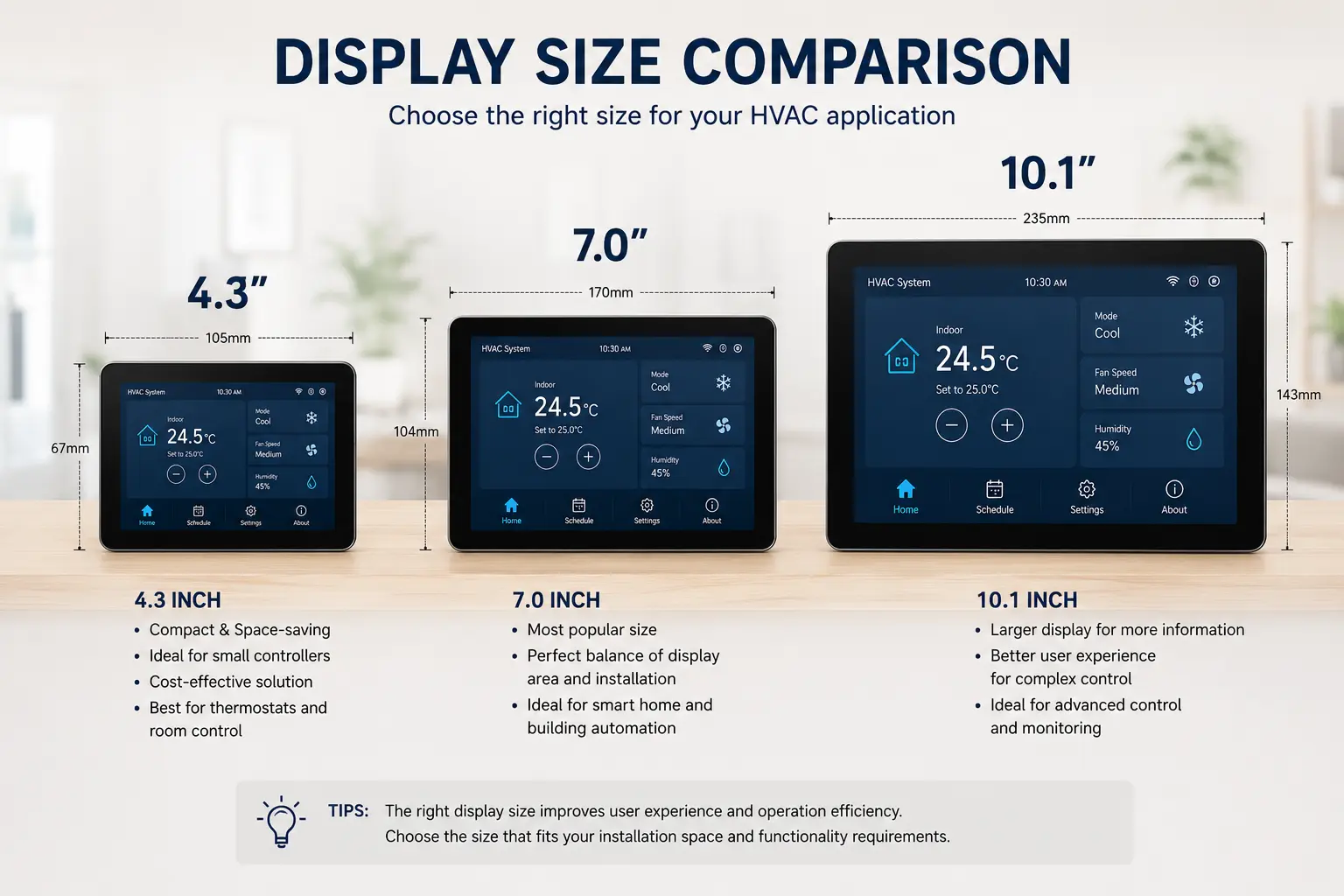
Display size directly affects usability and application scope:
| Display Size | Typical Applications | Key Advantage |
|---|---|---|
| 4.3 inch | Thermostats, single-zone HVAC controllers | Compact, cost-effective |
| 7 inch | Smart home panels, hotel room controllers, HVAC interfaces | Optimal balance of size and cost |
| 10.1 inch | BMS terminals, premium residential systems, centralized control | Rich UI, multi-widget dashboards |
For most HVAC and building automation deployments, 7-inch remains the industry sweet spot — large enough for intuitive touch operation, compact enough for standard electrical gang boxes.
Android vs. Linux: Choosing the Right OS
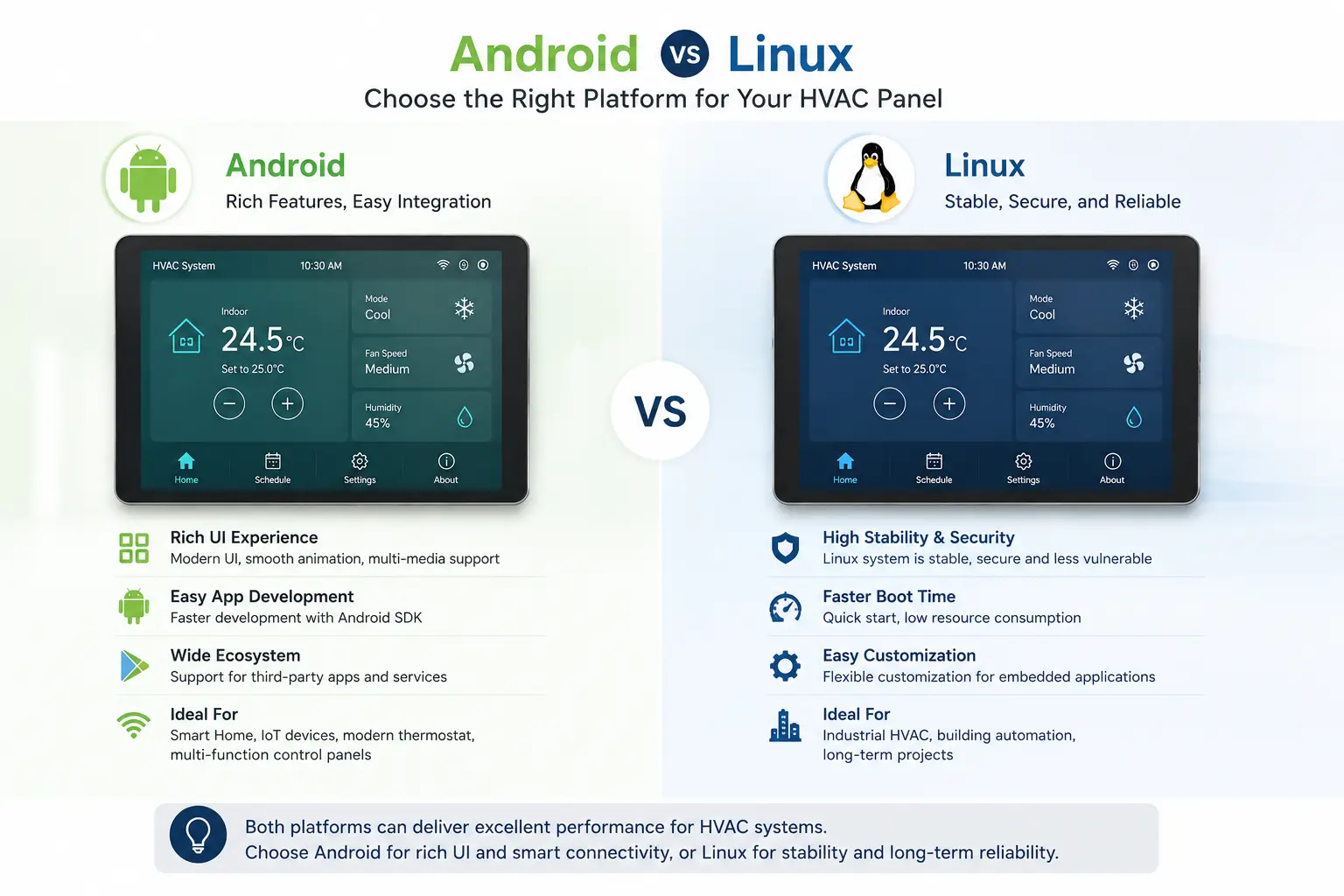
Android offers a familiar development environment, a rich ecosystem of IoT and home automation apps (Home Assistant, KNX, Matter), and faster time-to-market for custom UI development. It is well-suited for smart homes, hospitality, and consumer-facing applications.
Linux provides greater system stability, lower memory overhead, predictable long-term software support, and easier compliance with industrial cybersecurity requirements. It is the preferred platform for commercial BMS applications, industrial automation, and projects with 10+ year lifecycle requirements.
Communication Interface Requirements
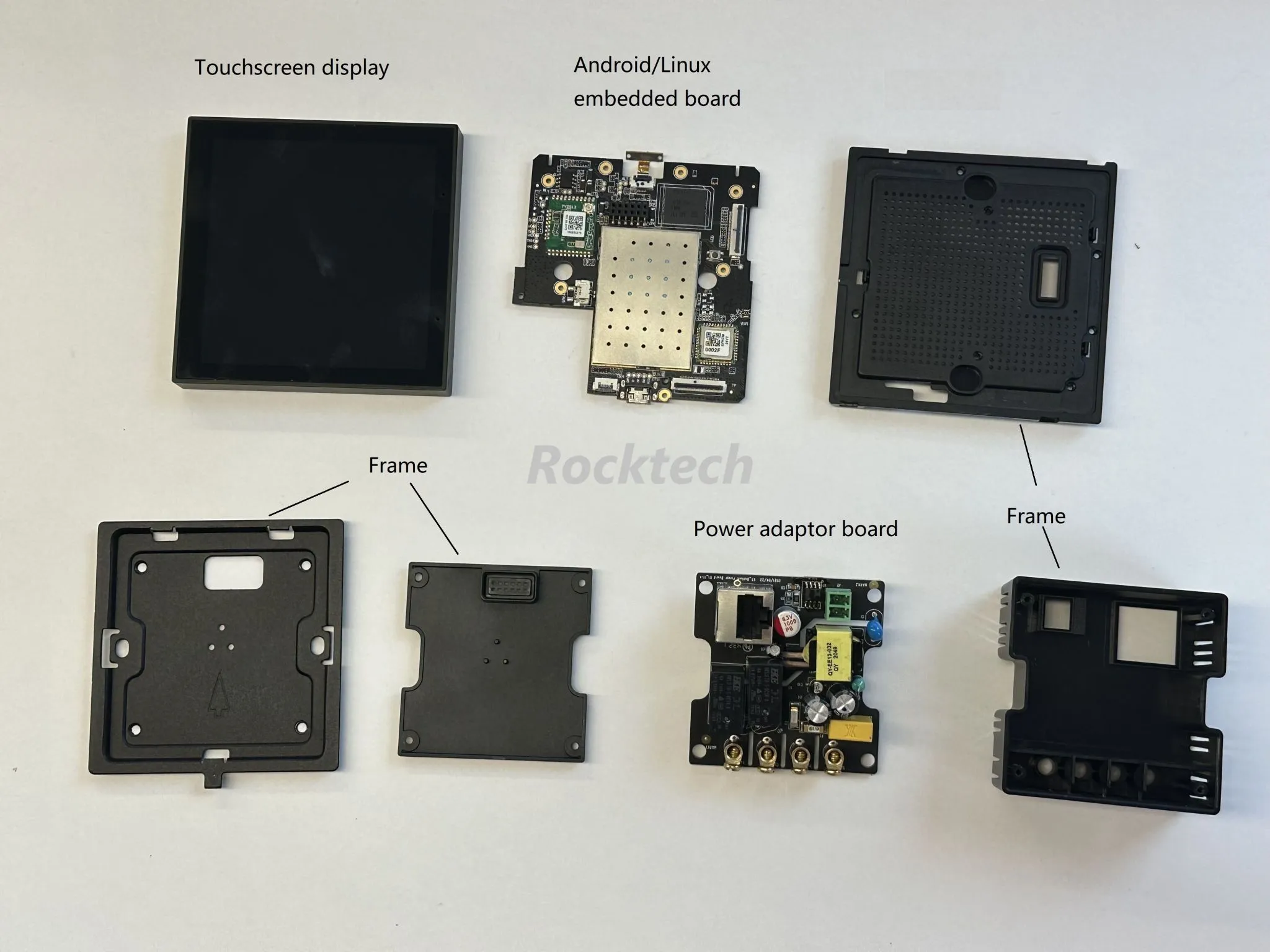
A PoE touch panel destined for building automation must support a layered communication architecture:
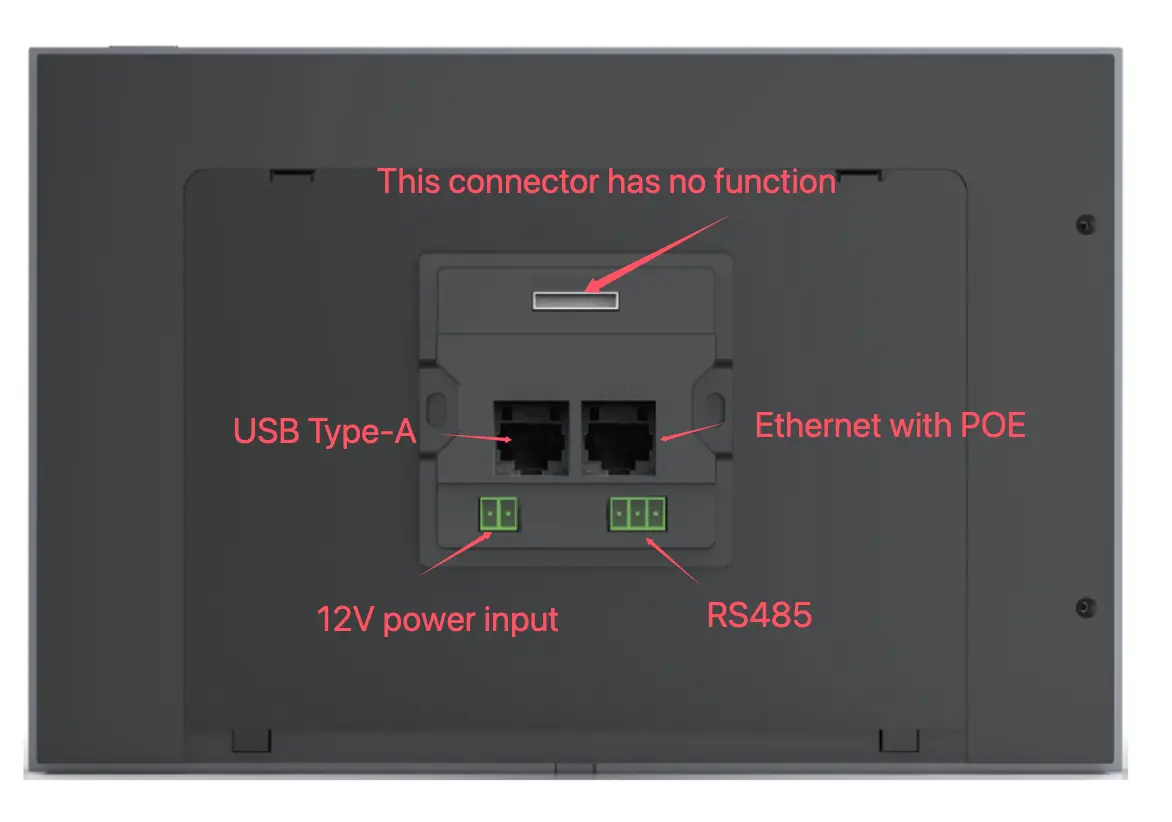
- Ethernet / PoE — primary network backbone
- RS485 + Modbus RTU — essential for integration with legacy HVAC equipment and third-party controllers
- Wi-Fi — wireless fallback and IoT device integration
- Bluetooth — short-range device pairing and commissioning
RS485 deserves particular attention: the vast majority of commercial HVAC equipment — VRF systems, fan coil controllers, energy meters — communicates via Modbus RTU over RS485. A PoE panel without a hardware RS485 port will require an external gateway, adding cost and complexity.
Typical PoE Touch Panel Architecture
A typical building automation architecture may include:
PoE Network Switch
PoE Touch Panel
RS485 HVAC Controllers
Lighting Controllers
Building Management Server
This architecture simplifies installation while providing centralized control and monitoring capabilities.
Industrial vs. Consumer Hardware Design
Consumer tablets are occasionally proposed as low-cost alternatives to dedicated industrial panels. In practice, they are rarely suitable for building automation deployments:
| Design Factor | Consumer Tablet | Industrial PoE Panel |
|---|---|---|
| Optical bonding | Optional / rare | Standard |
| Anti-glare treatment | Limited | Specified for ambient lighting |
| Operating temperature | 0°C to 35°C typical | -10°C to 60°C or wider |
| EMC / ESD protection | Consumer grade | Industrial grade |
| PoE power input | Not supported | Native |
| Lifecycle / longevity | 2–3 years typical | 5–10+ years |
| Wall mount integration | Non-standard | Gang box compatible |
Why Optical Bonding Matters for Building Automation Panels
Building automation panels are often installed in environments with strong ambient lighting, varying temperatures, and continuous daily operation.
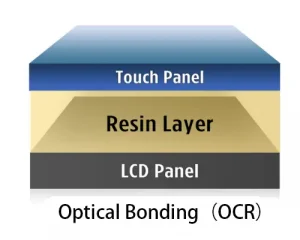
Optical bonding improves display performance by eliminating the air gap between the LCD and touch panel.
Key benefits include:
Reduced Reflection
Improves visibility under bright indoor lighting and near windows.
Better Contrast
Provides a clearer and more vibrant user interface.
Anti-Condensation Performance
Especially important in HVAC environments where temperature differences can cause moisture buildup.
Improved Durability
The bonded structure increases resistance to vibration and impact.
For HVAC, hotel automation, and smart building applications, optical bonding is becoming a preferred display enhancement technology.
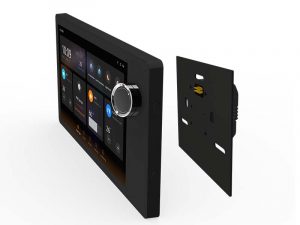
Wall Mounting and Mechanical Integration
Panel installation method must be determined early in the design process:
- Standard electrical gang box mounting (most common in North America and Europe) ensures compatibility with existing infrastructure and simplifies retrofits
- Flush-mount / in-wall mounting provides the cleanest aesthetic for premium residential and hospitality applications
- Surface mounting offers installation flexibility where in-wall routing is not feasible
Regardless of method, the enclosure design should allow panel replacement or servicing without disturbing adjacent wiring.
PoE Touch Panel vs. Traditional Control Panel
| Feature | Traditional Panel | PoE Touch Panel |
|---|---|---|
| Power supply | Separate AC wiring required | Single Ethernet cable |
| Communication wiring | Separate cable run | Integrated in Ethernet |
| Installation complexity | High | Low |
| Centralized management | Limited | Full remote monitoring |
| Scalability | Fixed infrastructure | Network-based, highly scalable |
| Software updateability | Often firmware-only | Full OS-level updates |
| Total installation cost | Higher | Significantly lower at scale |
Emerging Trends Shaping PoE HMI Development
The PoE touch panel market is evolving rapidly alongside the broader smart building ecosystem:
- Matter and Thread compatibility — enabling interoperability across brands and ecosystems
- Home Assistant integration — open-source automation platforms are increasingly deployed on embedded Linux panels
- KNX over IP — traditional KNX installations are migrating toward IP-based topologies compatible with PoE infrastructure
- AI-assisted HVAC optimization — edge AI capabilities on Android panels enabling predictive comfort control
- Cloud-based facility management — PoE panels as data endpoints feeding cloud analytics and remote management platforms
Choosing the Right PoE Touch Panel Partner
Selecting a PoE touch panel is only part of the project. Long-term success also depends on choosing a partner with experience in display integration, embedded platforms, and industrial product lifecycle management.
When evaluating suppliers, consider:
- Long-term component availability
- Android and Linux expertise
- Display and touch customization capability
- Optical bonding experience
- Industrial EMC and ESD design
- ODM development support
At Rocktech, we support customers from display selection to complete HMI platform development, helping accelerate product deployment while ensuring long-term reliability and supply continuity.
Frequently Asked Questions
What is a PoE touch panel?
A PoE touch panel is a wall-mounted HMI device that receives both electrical power and network connectivity through a single Ethernet cable, using the IEEE 802.3af/at Power over Ethernet standard.
Why is PoE preferred for building automation?
PoE eliminates the need for separate power wiring, simplifies installation, enables centralized power management from a network switch, and reduces both upfront and long-term maintenance costs.
What display size is recommended for HVAC control?
7-inch is the most widely deployed size for HVAC and smart home applications. 10.1-inch panels are preferred for BMS terminals and premium residential systems requiring richer dashboards.
Is Android or Linux better for building automation panels?
Android is better suited for consumer-facing and smart home applications requiring modern UIs and app ecosystem integration. Linux is preferred for commercial BMS, industrial, and long-lifecycle projects where stability and cybersecurity compliance are priorities.
Does a PoE touch panel need RS485?
For HVAC applications, yes. The majority of commercial HVAC equipment communicates via Modbus RTU over RS485, so a hardware RS485 port is essential for direct device integration without an external gateway.