Introduction
Modern HVAC systems are becoming smarter, more connected, and more user-friendly.
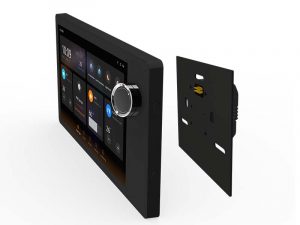
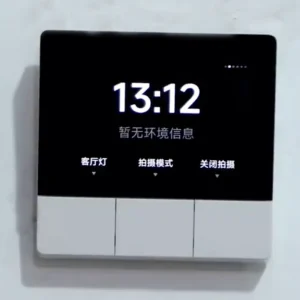
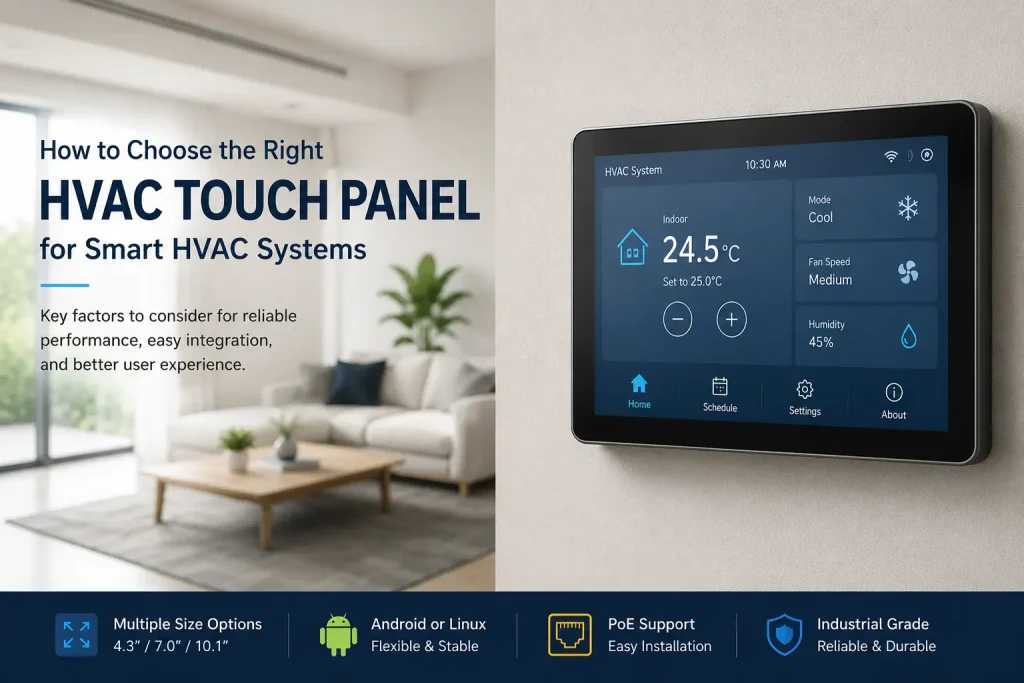
From smart thermostats and heat pumps to large building automation systems, touch panels have become the core human-machine interface (HMI) for HVAC applications.
Choosing the right HVAC touch panel is no longer just about display size. Engineers and product designers must consider operating systems, interface compatibility, long-term supply, sunlight readability, touch performance, installation methods, and industrial reliability.
In this article, we will explore the key factors to consider when selecting a touch panel for HVAC and building automation systems.
Why HVAC Systems Need Industrial-Grade Touch Panels
Unlike consumer tablets, HVAC touch panels often operate continuously in demanding environments. Typical HVAC applications require:
Long-term product availability
Stable operation 24/7
Wide temperature support
RS485 / Modbus / CAN communication
Wall-mounted installation
Anti-glare and anti-fingerprint surfaces
Reliable capacitive touch performance
Industrial-grade EMC and ESD protection
For this reason, many HVAC manufacturers prefer industrial touch panel solutions instead of consumer-grade devices.
Choosing the Right Display Size
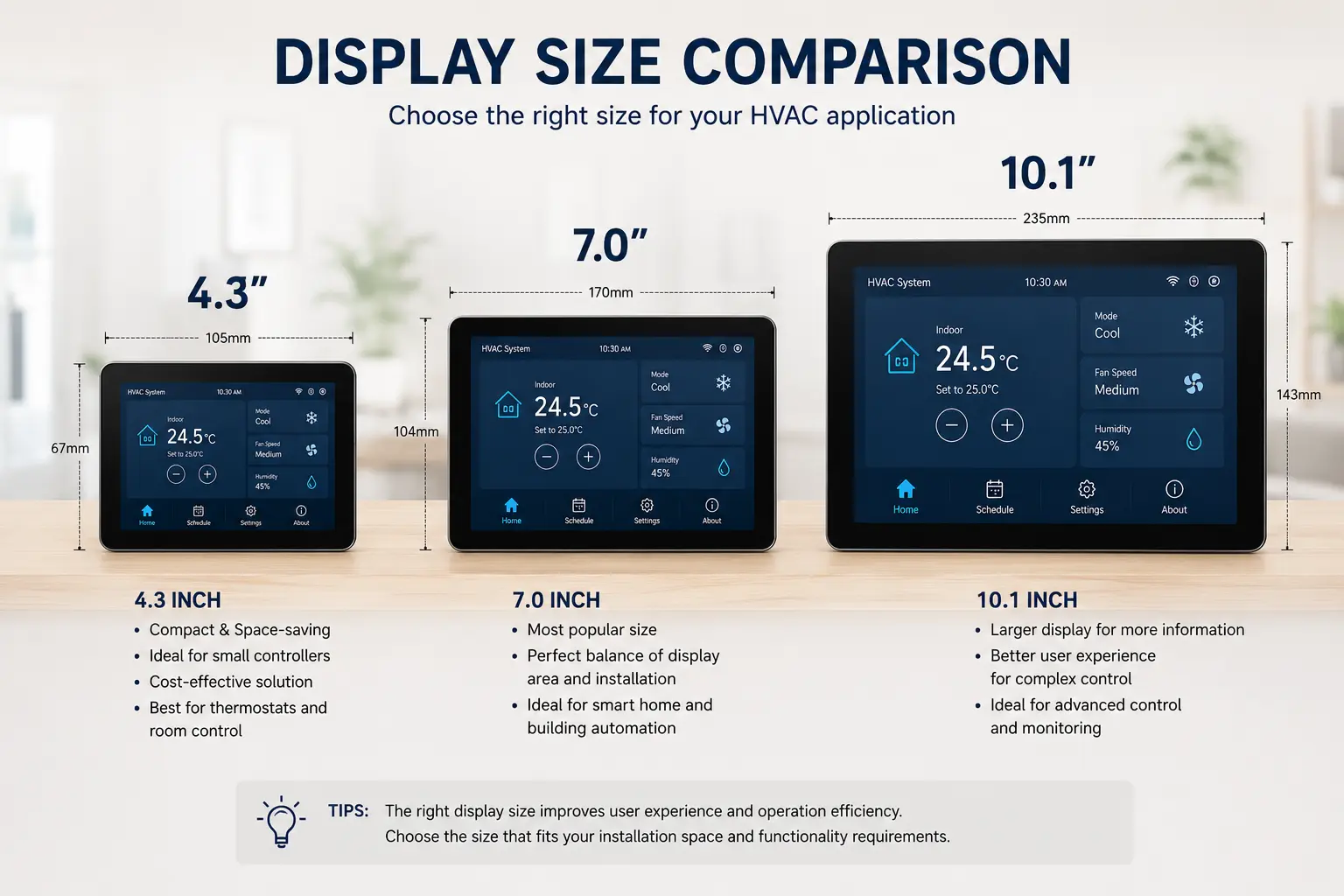
The most common display sizes for HVAC applications are:
4-inch to 5-inch Panels
Suitable for:
Smart thermostats
Small room controllers
Fan coil controllers
Advantages:
Compact size
Lower cost
Easy wall installation
7-inch Panels—One of the most popular choices for HVAC HMIs.
Suitable for:
Building automation
Smart home control
Heat pump systems
HVAC central control panels
Advantages:
Good balance between UI space and cost
Easy integration
Popular for Android and Linux platforms
10.1-inch Panels
Suitable for:
Premium smart home systems
Centralized HVAC control
Commercial building automation
Advantages:
Better UI experience
More data visualization
Easier multi-zone control
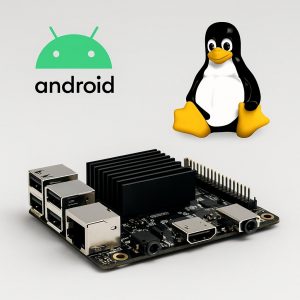
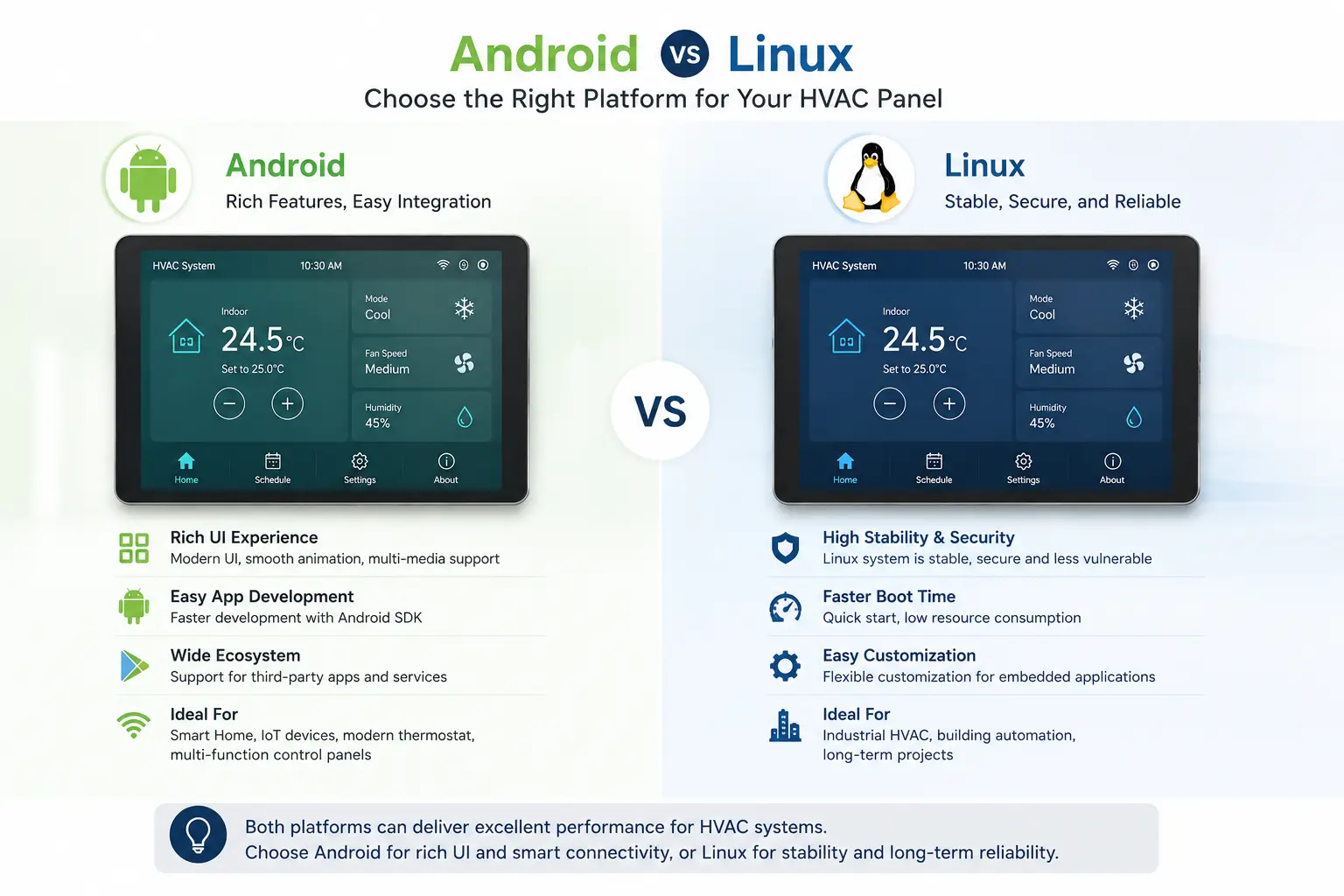
Android vs Linux for HVAC Touch Panels
Selecting the operating system is another important decision.
Android HVAC Panels
Advantages:
Rich UI experience
Faster application development
Easier multimedia integration
Better for smart home ecosystems
Suitable for:
Smart home control
Modern thermostat systems
IoT platforms
Linux HVAC Panels
Advantages:
Faster boot time
Better long-term stability
Lower system resource usage
Easier industrial customization
Suitable for:
Industrial HVAC systems
Commercial building automation
Long lifecycle products
Capacitive Touchscreen Considerations
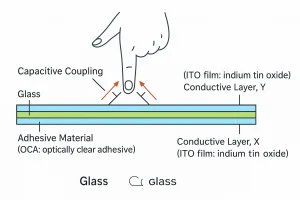
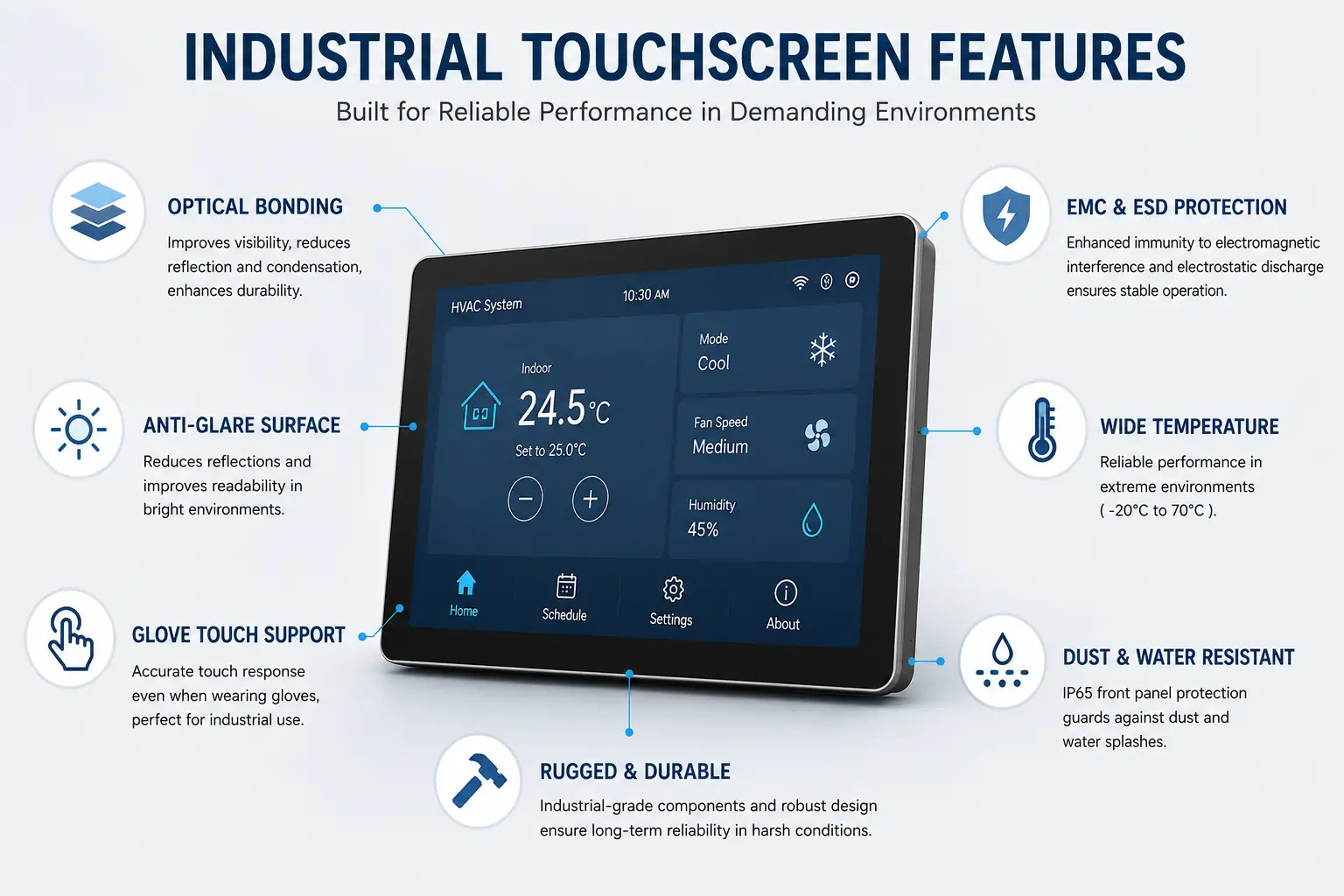
For HVAC applications, projected capacitive touchscreens (PCAP) are now the mainstream choice.
Important factors include:
Glove touch support
Water resistance
AG/AF surface treatment
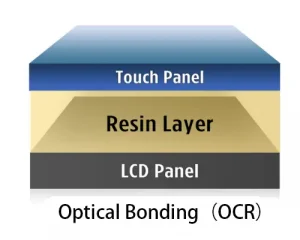
Optical bonding
EMI shielding
Cover glass durability
In industrial HVAC environments, reliable touch performance is critical for long-term usability.
Optical Bonding for HVAC Displays
Optical bonding can significantly improve display performance.
Benefits include:
Better sunlight readability
Reduced reflection
Improved contrast
Enhanced durability
Better anti-condensation performance
This is especially useful for:
Outdoor HVAC systems
Heat pumps
Industrial control environments
Long-Term Supply Matters
HVAC products often have product lifecycles of 5–10 years or longer.
Therefore, choosing a supplier with long-term supply capability is extremely important.
A reliable HVAC touch panel partner should provide:
Long lifecycle support
Compatible replacement solutions
ODM customization capability
Stable industrial components
Technical engineering support
Conclusion
Selecting the right HVAC touch panel requires balancing performance, reliability, operating system flexibility, communication interfaces, and long-term supply considerations.
Whether you are developing a smart thermostat, heat pump controller, or complete building automation system, choosing an industrial-grade touch panel solution can greatly improve product reliability and user experience.
At Rocktech, we provide customized TFT display, capacitive touchscreen, and embedded HMI solutions for HVAC, smart home, and industrial building automation applications.
FAQ
What is the best display size for HVAC systems?
7-inch and 10.1-inch displays are the most common choices for modern HVAC HMIs because they provide a good balance between UI experience and installation flexibility.
Is Linux better than Android for HVAC systems?
Linux is often preferred for industrial HVAC systems because of its stability and long lifecycle support, while Android is more suitable for smart home and IoT-focused applications.
Why use PoE in HVAC touch panels?
PoE simplifies installation by combining power and data transmission into a single Ethernet cable.
What is optical bonding in HVAC displays?
Optical bonding is a process that reduces internal reflections between the display and cover glass, improving readability and durability.