Introduction
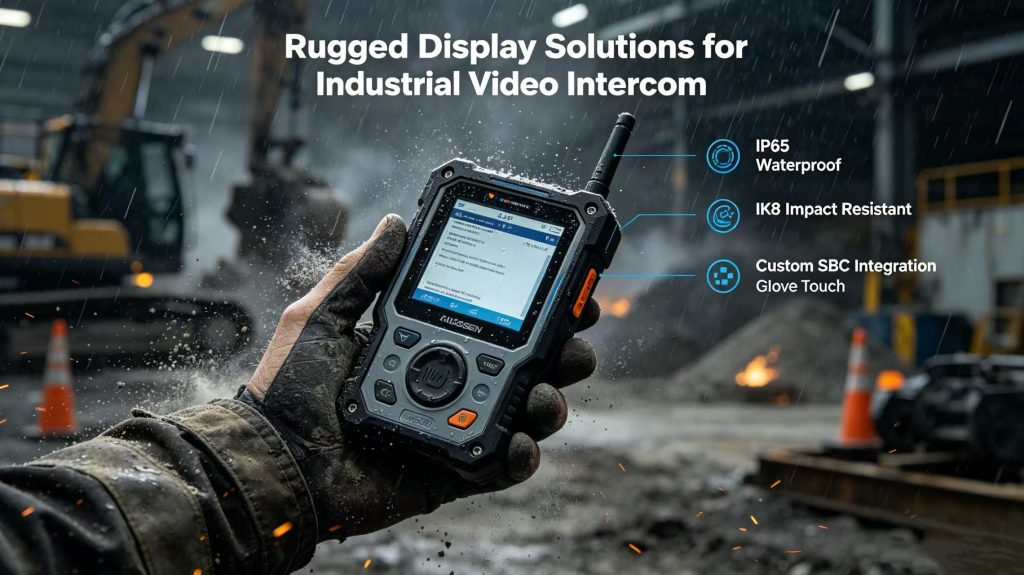
In many industrial environments, Industrial Video Intercom devices are used in conditions that are honestly not very controlled at all. On construction sites, factory floors, or outdoor access points, it’s quite common for the equipment to be exposed to dust in the air, occasional water splashes, vibration from nearby machines, and sometimes just rough daily handling.
Compared with consumer devices, a standard display setup usually doesn’t last very long in these kinds of situations. In real projects, we often see that issues don’t come from a single part, but from how the whole system behaves together over time.
That’s why both the display and the embedded board need to be considered as one system rather than separate parts. In practice, this is where Rugged Display Solutions combined with embedded board design start to matter, especially when the device is expected to run reliably in the field instead of a controlled lab environment.
Application Requirements for Industrial Video Intercom Devices
A typical Industrial Video Intercom used in industrial or outdoor environments usually needs to meet a few very practical requirements, and in most cases these come directly from how the device is actually used in the field.
- Compact display size, usually around 4.3” or 5”, especially for handheld operation
- Stable operation even when the device is running for long hours
- Protection against water, dust, and accidental impact during daily handling
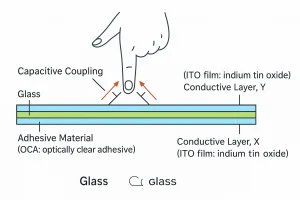
- Touch performance that still works with gloves, moisture, or dirty surfaces
- Smooth integration with video and communication systems
In real projects, these requirements are often discussed together rather than separately. For example, a customer may first focus on size, but once the mechanical design is fixed, it becomes clear that waterproof sealing or impact protection will affect the internal layout. So the discussion usually shifts back and forth between different parts of the design.
Simple view of how requirements interact:
| Requirement | What it affects | Typical design impact |
|---|---|---|
| Waterproof (IP65 Display) | Front structure | Sealing, bonding, panel design |
| Impact resistance (IK8) | Glass & mechanical strength | Cover glass thickness, support design |
| Compact size | Overall layout | PCB shape, connector position |
| Touch performance | User interface | Touch tuning, glass stack-up |
| System integration | Whole device | SBC + display coordination |
IK8 Impact Resistant Display Design for Industrial Video Intercom
For handheld devices, durability is usually one of the biggest concerns, especially for equipment that gets carried around all day or used in outdoor environments. In many Industrial Video Intercom projects, the display is also the part that takes the most direct contact, so customers often ask for an IK8 Impact Resistant Display early in the discussion.
In actual use, drops and impacts happen more often than people expect. Devices get placed on hard surfaces, bumped during operation, or sometimes just handled roughly during daily work. On construction sites or factory floors, this is pretty normal, so a standard display structure often doesn’t hold up very well over time.
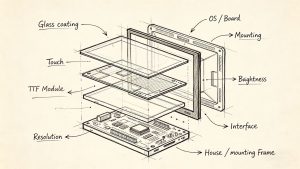
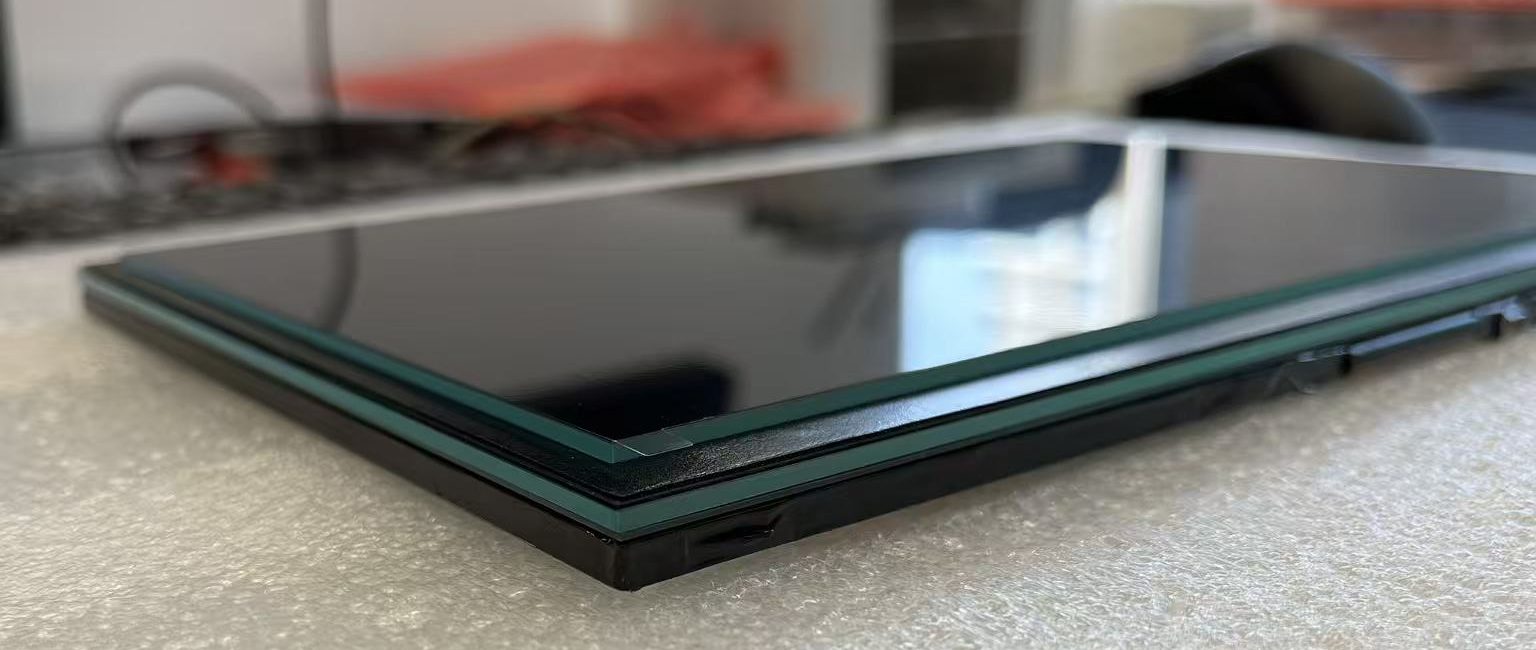
A lot of people think impact resistance is only about using thicker glass, but it’s usually more complicated than that. The whole display structure matters, not just one material.
| Design Element | Why it matters |
|---|---|
| Strengthened cover glass | Helps reduce cracking from impact |
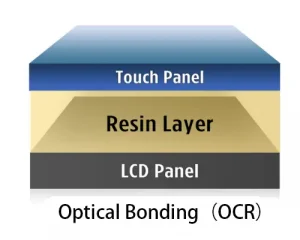
| Bonding structure | Spreads external force more evenly |
| Internal support design | Reduces stress on the LCD panel |
| Glass thickness adjustment | Improves overall durability |
In some projects, we’ve seen cases where simply increasing the glass thickness did improve impact resistance, but at the same time it also affected touch sensitivity and made the module heavier than expected. So there’s normally a lot of back-and-forth during development to find something that actually works in real use.
Another thing that usually only shows up later is repeated small impacts. A display might survive a drop test once, but after months of daily handling, weak structural areas start becoming more obvious. Sometimes it’s small cracks near the edge, sometimes bonding issues, sometimes touch performance becoming unstable.
That’s why IK8 design is rarely treated as just a “stronger glass” problem. In most real industrial projects, it’s more about how the whole display module is designed to absorb stress over time.
Custom SBC and Rugged Display Integration for Industrial Video Intercom
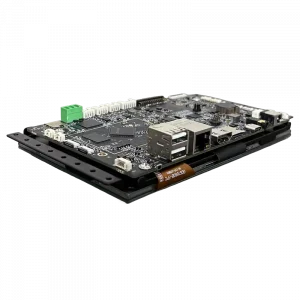
Beyond the display itself, the embedded board actually has a big impact on how an Industrial Video Intercom performs in real use. In most real projects, things like video processing, communication, touch input, and display output all need to run together, and they don’t always behave as smoothly as they look on paper.
That’s usually where Custom SBC and Display Integration comes in. Instead of picking a board and a display separately and trying to make them work, many projects end up going with a matched design from the start. It sounds simple, but it usually saves a lot of trouble later.
A typical setup may include things like:
- Video decoding and basic communication interfaces
- Connection to display interfaces like LVDS, RGB, or MIPI
- Audio handling for two-way communication
- Low power design, especially for handheld devices
In practice, a customized SBC just makes integration less painful. When everything is aligned from the beginning, you don’t run into so many small issues like signal mismatch, unstable performance, or extra debugging work during development.
At the same time, real products also need to survive the environment they’re used in, not just work in a test room. That’s where Rugged Display Solutions come in.
Instead of focusing on one single spec, rugged design is more like combining a few things together:
- Enough mechanical strength for drops and impact
- Waterproof and dust protection (like IP65 Display level)
- Touch stability in different environments
- Long-term reliability during daily use
For Industrial Video Intercom devices, this kind of “system thinking” is usually more realistic. A design might look fine in the lab, but once it goes into real field use, you quickly see whether the display and board were really designed to work together or not.
Conclusion
Developing a reliable Industrial Video Intercom system is rarely just about selecting individual components with higher specifications. In real projects, the challenge is usually how to make the display, touch system, mechanical structure, and embedded platform work together as one stable and practical solution.
For industrial environments, factors such as water resistance, impact protection, touch responsiveness, readability, thermal performance, and long-term reliability are often interconnected. Improving one part of the system may affect another.
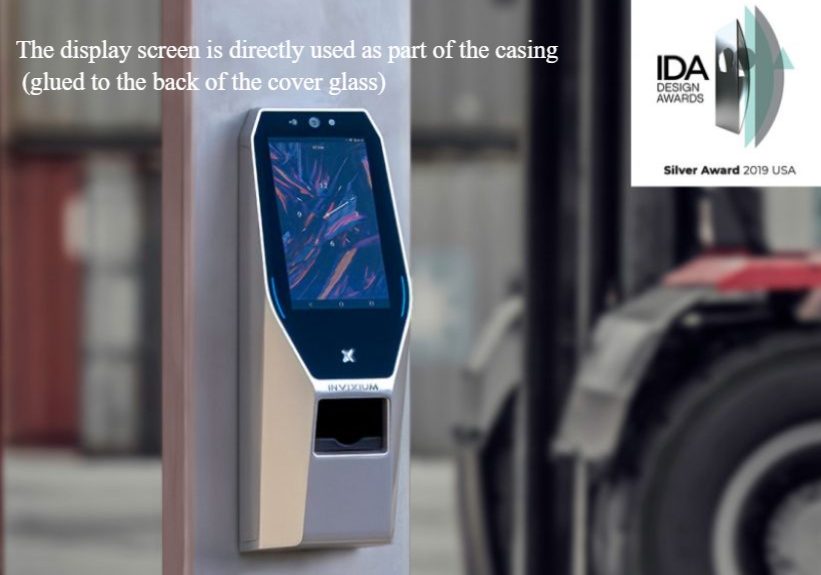
For example, increasing cover glass thickness for better protection can influence touch sensitivity, while achieving a flush industrial design may require changes to the bonding structure or internal mechanical layout. Because of this, many successful projects rely heavily on close coordination between display design and embedded system integration from the early development stage.
By combining an IP65 Display, an IK8 Impact Resistant Display, and Custom SBC and Display Integration, manufacturers can build devices that remain stable and user-friendly even under demanding industrial conditions. More importantly, customized rugged display solutions allow products to better match the actual application environment instead of relying only on standard off-the-shelf structures.
In our experience, many industrial projects eventually require some level of customization — whether it is adjusting the touch performance for glove operation, redesigning the cover glass structure to match the enclosure, optimizing optical bonding for outdoor visibility, or modifying the embedded board to simplify integration. These details may seem small individually, but together they often determine the reliability and user experience of the final device.
As industrial video intercom systems continue to evolve toward smarter and more connected applications, the importance of balancing durability, usability, aesthetics, and integration will continue to grow. A well-designed rugged display solution is not only a protective component, but also an important part of how operators interact with the system every day in real working environments.