Introduction: Why Embedded Systems Are Moving Beyond Display Modules
In traditional product design, a display module was mainly used for visualization — showing data and enabling basic interaction.
However, modern embedded systems are evolving.
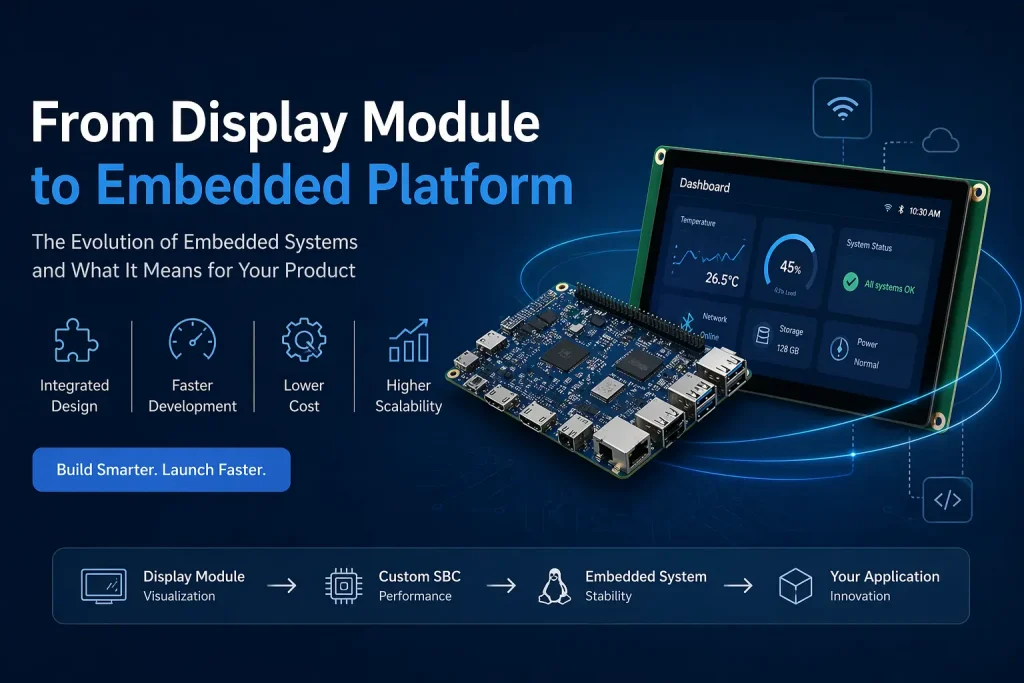
Today, the display is no longer just a UI component — it is becoming the core embedded platform that runs the entire application.
This shift is changing how engineers approach embedded system design, especially in industries such as industrial control, medical devices, and smart equipment.
Traditional Architecture: Display Module + External Controller
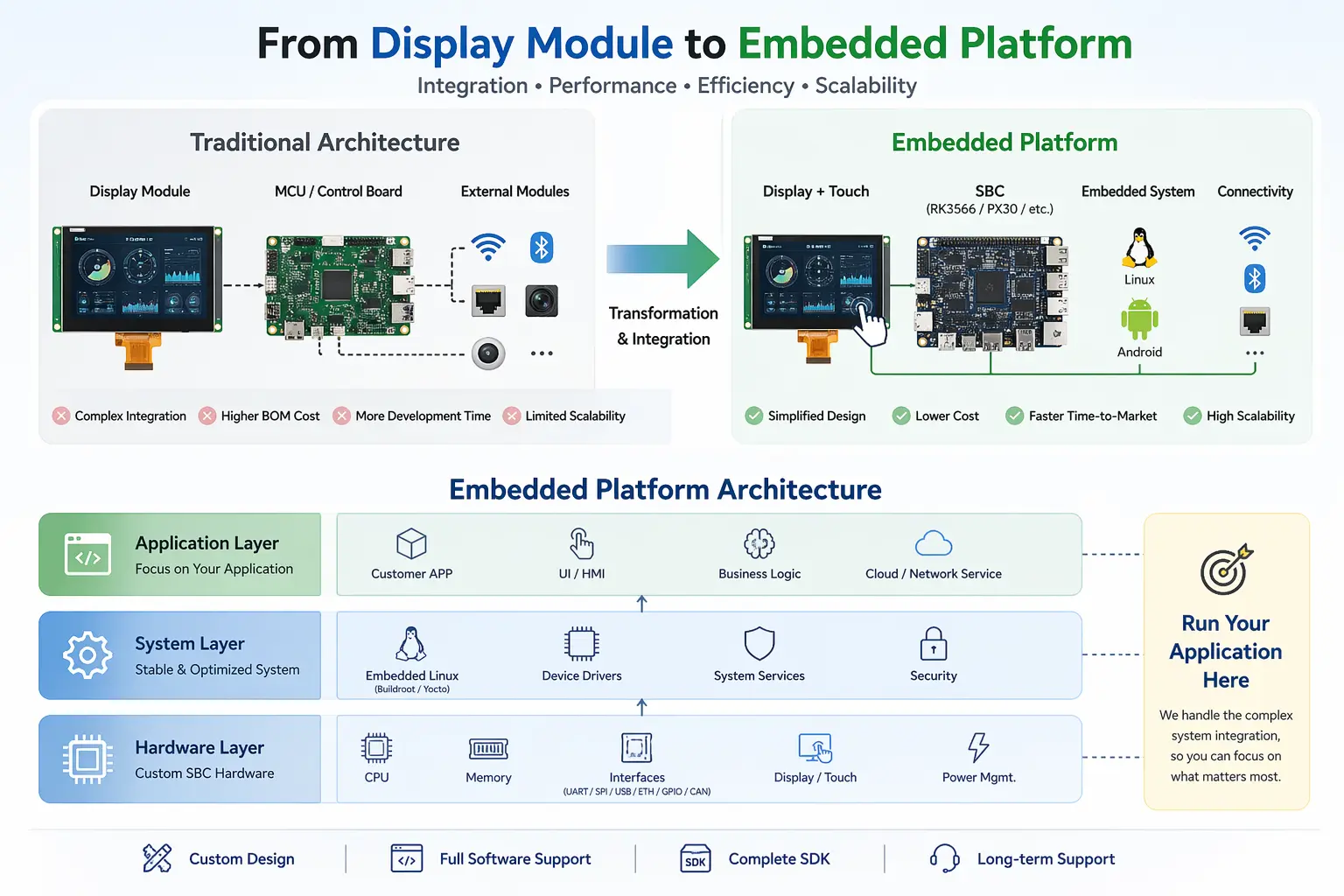
In a conventional embedded system, different functions are separated:
TFT display module + touch panel
External MCU or processor board
Additional modules for communication and control
While this architecture works for simple applications, it often leads to:
Complex hardware integration
Higher BOM cost
Longer development cycles
Limited scalability
As system requirements grow, this model becomes inefficient.
What Is an Embedded Platform?
An embedded platform integrates multiple functions into a unified system, typically including:
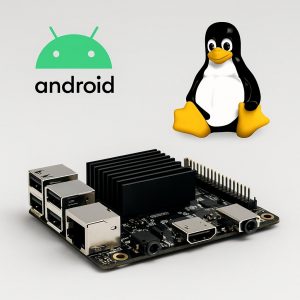
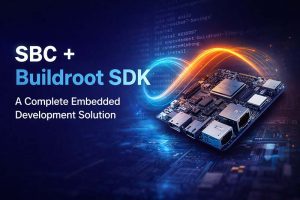
Custom SBC (Single Board Computer)
Integrated display and touch interface
Embedded Linux system (Buildroot or Yocto) or Android
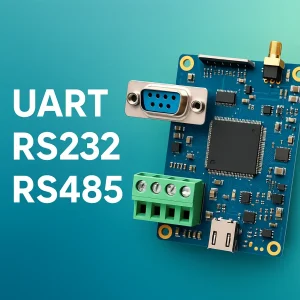
Connectivity interfaces (UART, SPI, USB, Ethernet, etc.)
Instead of separate components, everything is built into a single, scalable platform.
Why the Industry Is Moving Toward Embedded Platforms
1. Increasing Complexity in Embedded Applications
Modern devices require more than basic display functions:
Advanced GUI and user interaction
Data processing and storage
Cloud connectivity and networking
Integration with sensors and peripherals
This makes embedded Linux SBC solutions more suitable than traditional MCU-based systems.
2. Faster Time-to-Market
Companies are under pressure to launch products faster.
Using a custom SBC with pre-integrated software allows teams to:
Skip low-level development
Reduce engineering workload
Accelerate product development
3. Software-Driven Products
Today, product value is increasingly defined by software.
The key question is no longer:
Can the display show data? But: Can the system run our application reliably?
Embedded Platform Architecture: From Hardware to Application
A complete embedded platform typically consists of three layers:
Hardware Layer (Custom SBC)
Based on platforms like RK3566 or PX30
Interface customization (GPIO, UART, SPI, USB, CAN, etc.)
Designed for specific product requirements
System Layer (Embedded Linux / Android)
Buildroot or Yocto-based Linux system
Driver integration and kernel configuration
System optimization for performance and stability
Development Layer (Embedded SDK)
Cross-compilation toolchain
Libraries and APIs
Documentation for application development
This enables developers to move directly into application-level development.
From Components to Platform: A More Efficient Development Approach
Instead of managing multiple suppliers and development stages, an embedded platform allows teams to:
Reduce system integration complexity
Shorten development cycles
Focus on core application features
In many projects, customers initially request a display module,
but later adopt a complete embedded platform after realizing the complexity of integration.
Rocktech’s Embedded Platform Solution
At Rocktech, we have expanded from a display module supplier to a complete embedded platform provider.
We offer:
Custom SBC Development
Rockchip-based platforms (RK3566, PX30, etc.)
Interface and form-factor customization
Embedded Linux System Integration
Buildroot or Yocto depending on project needs
Driver integration and system optimization
SDK and Application Support
Development environment setup
Support for running customer applications
Assistance in system-level integration
Our goal is simple: Help customers move from hardware setup to application deployment as quickly as possible.
Conclusion: The Future of Embedded System Design
The role of the display in embedded systems is evolving.
It is no longer just a component —
it is becoming the central embedded computing platform.
For companies developing next-generation devices, this means:
Choosing not just a supplier, but a technology partner capable of delivering a complete embedded solution.
Contact us to discuss your project requirements and explore the right embedded platform solution.