


IPS Panel

IPS panels as a core display technology for modern applications

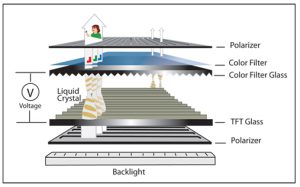
An IPS panel is a type of TFT LCD that uses In-Plane Switching technology to achieve wider viewing angles and more consistent color performance compared with traditional panel types. By aligning liquid crystal molecules parallel to the panel surface, IPS panels minimize color shift and contrast loss when viewed from different directions. This makes them well suited for applications where image stability and readability are more important than ultra-low cost.

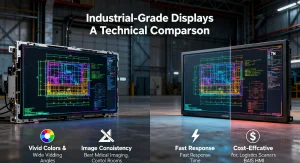
IPS panels are widely used across industrial equipment, embedded systems, medical devices, and professional displays. In these scenarios, the screen often serves as a primary human–machine interface, and operators rely on accurate visual feedback for control and monitoring. The predictable behavior of an IPS panel helps ensure that information remains clear regardless of viewing position.

Key factors when selecting and integrating an IPS panel

When choosing an IPS panel, engineers should look beyond basic specifications such as resolution and size. Brightness, contrast ratio, response time, and surface treatment all affect real-world usability. IPS panels are commonly paired with LVDS, RGB, or MIPI interfaces, and can be integrated with touch panels and cover glass using air bonding or optical bonding methods depending on the application environment.

Another important consideration is product lifecycle and consistency. Industrial-grade IPS panels are typically selected for their long-term availability and stable specifications, reducing the risk of unexpected changes during production. The articles under this tag focus on practical selection guidelines, integration experiences, and comparison insights, helping designers understand when an IPS panel is the right choice for performance, reliability, and long-term support.

🏷️ Related Tags

Explore more content closely related to this topic.