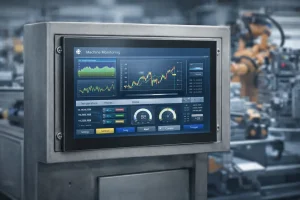
Industrial Displays

Industrial displays for reliable HMIs and long-life equipment

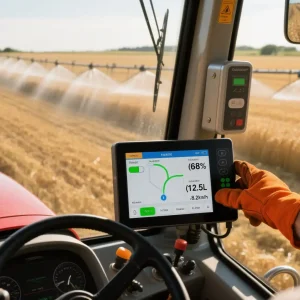
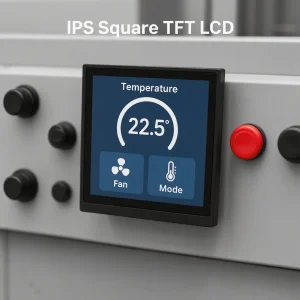
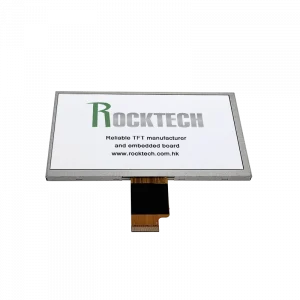
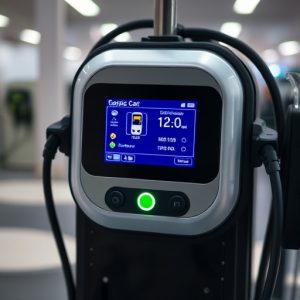
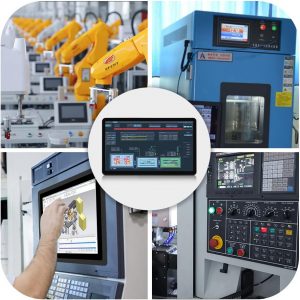
Industrial displays are purpose-built screens designed for machines, control panels, instruments, and field equipment where stability matters more than “consumer-grade” beauty. Compared with office or entertainment displays, an industrial display is usually selected around visibility, operating temperature, long-term supply, and consistent performance over years of service. In real deployments, the screen is not just for “showing information”—it is part of the user interface, the safety workflow, and the product’s perceived quality. That’s why engineers pay attention to details like interface compatibility (LVDS, MIPI-DSI, RGB, HDMI), mechanical constraints, touch integration, cover glass, and bonding methods that reduce reflections and improve durability. This tag collects practical articles that help you evaluate options, avoid common integration traps, and design a display solution that remains serviceable long after the product ships.

How to choose and integrate industrial displays in real projects

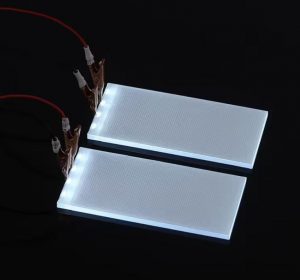
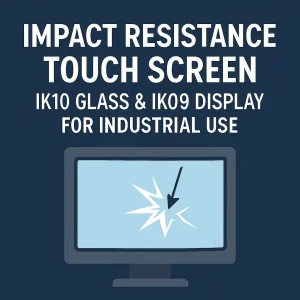
Choosing an industrial display is rarely a single-parameter decision. Brightness and resolution are only the starting point—what matters is whether the display remains readable under the lighting of your installation, whether the viewing angle matches the mounting position, and whether touch works reliably with gloves, water, or EMI noise nearby. You’ll also want to think about optical stack choices (air bonding vs optical bonding), anti-glare or anti-reflection surface treatments, and whether the cover lens needs printed masks, transparent windows for sensors, or special thickness for impact resistance. On the electronics side, verifying timing, lane configuration, and power sequencing early can save weeks of debugging. If your product is expected to stay in the market for years, supply continuity and revision control become part of the “display spec” too. The posts under this tag focus on these engineering realities—selection logic, integration checklists, and trade-offs—so you can confidently move from concept to a display subsystem that is stable, maintainable, and ready for production.

🏷️ Related Tags

Explore more content closely related to this topic.