
Cover Glass for Industrial and Embedded Displays

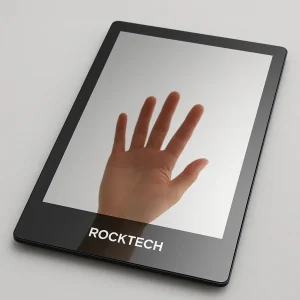
Cover glass plays a critical role in the durability, usability, and appearance of modern display systems. Whether used in smart home panels, industrial HMIs, medical equipment, or outdoor terminals, the cover glass directly affects optical clarity, impact resistance, touch accuracy, and long-term reliability. Beyond basic protection, it determines how the display handles glare, surface reflections, contamination, and daily wear. Engineers often consider factors such as thickness, strengthening method, surface coatings, and bonding requirements to build a balanced optical and mechanical design. On this tag page, you will find articles that explain how cover glass materials are selected, how they influence optical performance, and how different finishing options improve visibility and user experience.

Cover Glass Engineering, Performance, and Application Insights

The articles listed below explore deeper engineering practices behind cover glass design. Topics include how anti-glare and anti-reflective coatings work, when to choose chemically strengthened versus heat-tempered glass, and how black printing and decorative layers affect both aesthetics and touch calibration. You will also learn how cover glass interacts with optical bonding (OCA/OCR), why thick glass can change force sensitivity in capacitive touch panels, and how mechanical requirements such as IK ratings or drop tests influence material selection. For developers working on custom display modules, we also cover decisions like hole placement for sensors and microphones, edge shaping for safety and sealing, and strategies to balance transparency, durability, and cost. Whether you are designing a slim consumer device or a rugged industrial terminal, these insights will help you build a cover glass solution that is visually clean, mechanically strong, and compatible with long-term mass production.

🏷️ Related Tags

Explore more content closely related to this topic.