
Anti Fingerprint

Anti-fingerprint surface treatment for display cover glass

Anti-fingerprint (AF) coating is a surface treatment applied to display cover glass to reduce visible fingerprints, smudges, and oil residue left by frequent touch. In touch-enabled products, especially those with glossy glass surfaces, fingerprints can quickly degrade visual clarity and make the interface look dirty or poorly maintained. AF coatings improve the user experience by making smudges less noticeable and easier to wipe away.

In industrial and embedded applications, anti-fingerprint treatment is not just about appearance. Control panels, HMIs, and kiosks are often operated repeatedly throughout the day, sometimes by multiple users. A surface that resists oil buildup helps maintain readability of icons, text, and status indicators, even in environments where cleaning is infrequent.

Where and why anti-fingerprint coatings are used

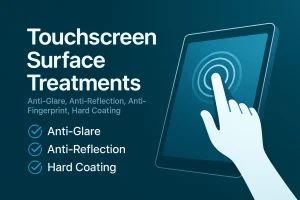
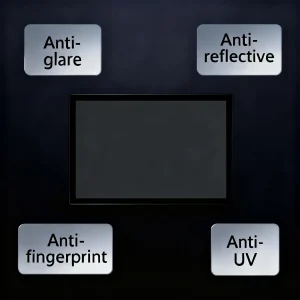
Anti-fingerprint coatings are commonly combined with other surface treatments such as anti-glare or anti-reflection, depending on the lighting conditions and visual requirements of the application. While AF does not eliminate fingerprints entirely, it changes how oils spread on the surface, making marks thinner, less visible, and easier to remove. This is particularly valuable for displays used in smart home panels, medical devices, and industrial HMIs.

From an engineering perspective, AF coating must be selected together with glass thickness, hardness, and chemical durability. The coating should withstand repeated cleaning, environmental exposure, and long-term use without degrading. Articles under this tag explore AF coating principles, practical use cases, and how anti-fingerprint treatment fits into the overall display stack design, helping designers choose surface solutions that balance usability, durability, and cost.

🏷️ Related Tags

Explore more content closely related to this topic.