

Air Bonding

Air bonding as a practical display assembly method

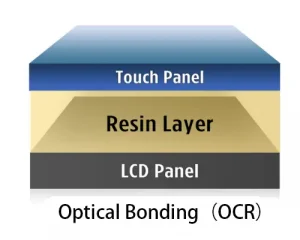
Air bonding is a traditional and widely used method for assembling displays, where a controlled air gap is left between the LCD module and the cover glass or touch panel. This approach has been used for many years in industrial and embedded systems because of its simplicity, flexibility, and lower manufacturing cost. In applications where extreme sunlight readability is not the primary concern, air bonding can provide a reliable and serviceable solution. It also allows easier rework and replacement during development or maintenance, which is why it remains common in prototypes, low-volume projects, and indoor industrial equipment.

When air bonding makes sense in real-world projects

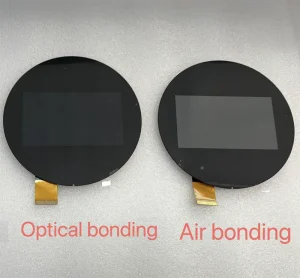
Choosing air bonding is often a balance between performance, cost, and lifecycle considerations. While the air gap can introduce internal reflections and reduce contrast under strong ambient light, it may be perfectly acceptable in controlled lighting environments such as factory floors, control rooms, or cabinets. Air bonding also reduces upfront tooling complexity and makes it easier to adapt to design changes in cover glass size, thickness, or printing. From an engineering perspective, understanding the trade-offs between air bonding and optical bonding is essential. The articles under this tag explore practical selection criteria, common pitfalls, and comparison points, helping you decide when air bonding is the right choice—and when alternative bonding methods should be considered for better optical performance or environmental robustness.

🏷️ Related Tags

Explore more content closely related to this topic.