Creating a reliable outdoor touch display for modern bike computers represents one of the most challenging engineering feats in the cycling technology sector.
As cyclists increasingly depend on their devices for navigation, performance tracking, and connectivity, the display becomes the critical interface between rider and data.
The fundamental challenge lies in developing a rugged TFT display that can withstand not just weather elements but also the mechanical stresses of off-road cycling while maintaining perfect readability and responsiveness.
This comprehensive guide explores the key considerations and technological innovations that make modern bike computer displays both durable and functional.
Understanding the Outdoor Touch Display Environment
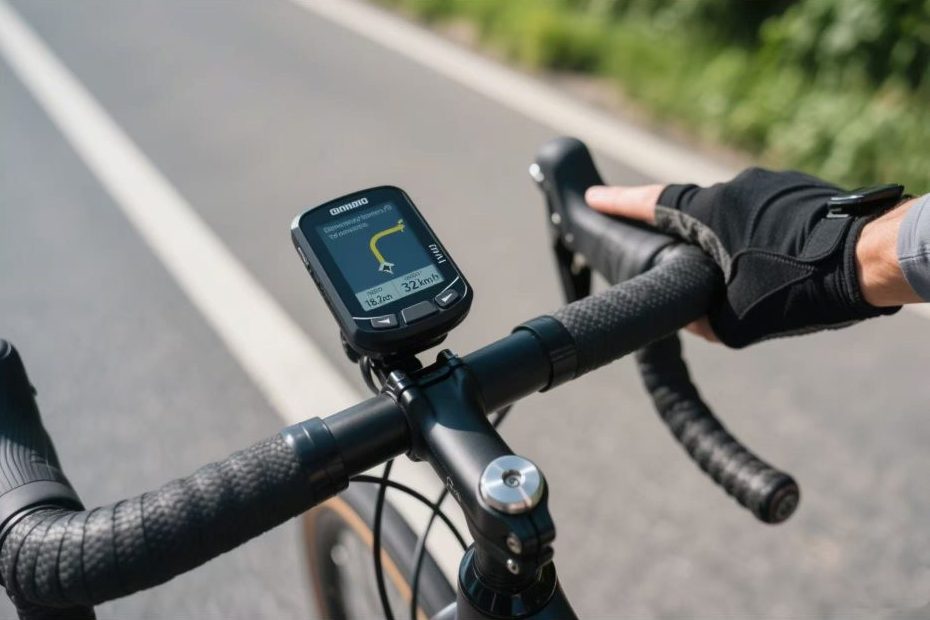
Bike computer displays face exceptionally demanding conditions that far exceed typical consumer electronics requirements. Unlike indoor devices, an outdoor touch display must consistently perform while exposed to harsh environmental elements. Key challenges include direct sunlight that can wash out screens, rain that disrupts touch functionality, and constant vibration from varied terrain. Additionally, extreme temperature fluctuations and dust exposure demand robust engineering solutions.
The ideal rugged TFT display addresses these challenges through:
-
High-brightness performance (1000+ nits) for sunlight readability
-
Water-resistant touch technology that works with wet screens and gloves
-
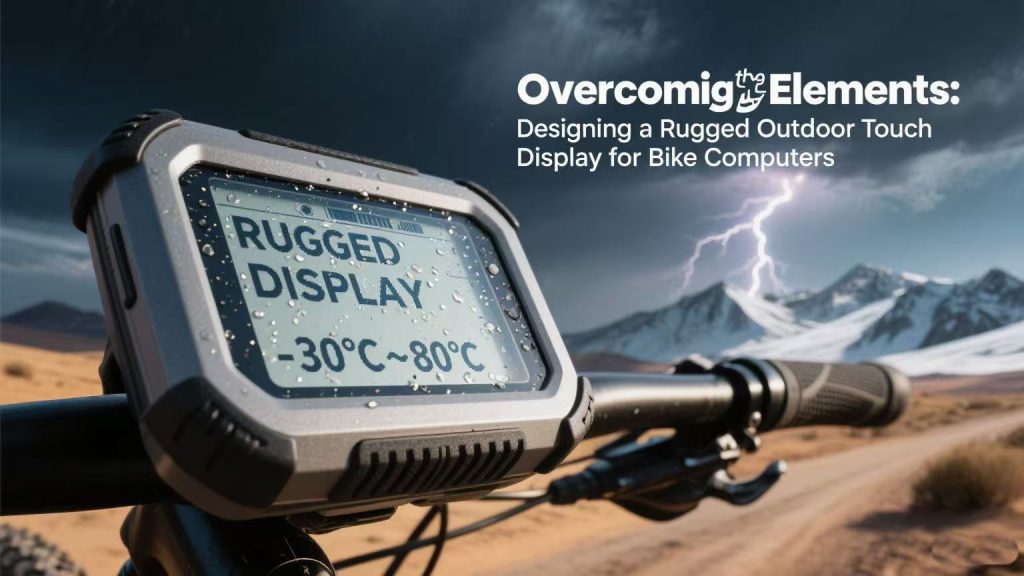
Wide-temperature operation from -30°C to 80°C
-
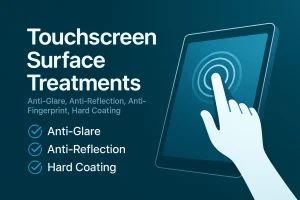
Anti-reflective coatings and optical bonding for reduced glare
These features combine to create displays that maintain clarity and responsiveness in all riding conditions, from rainy commutes to sunny mountain descents.
Key Technologies for Rugged TFT Display Solutions
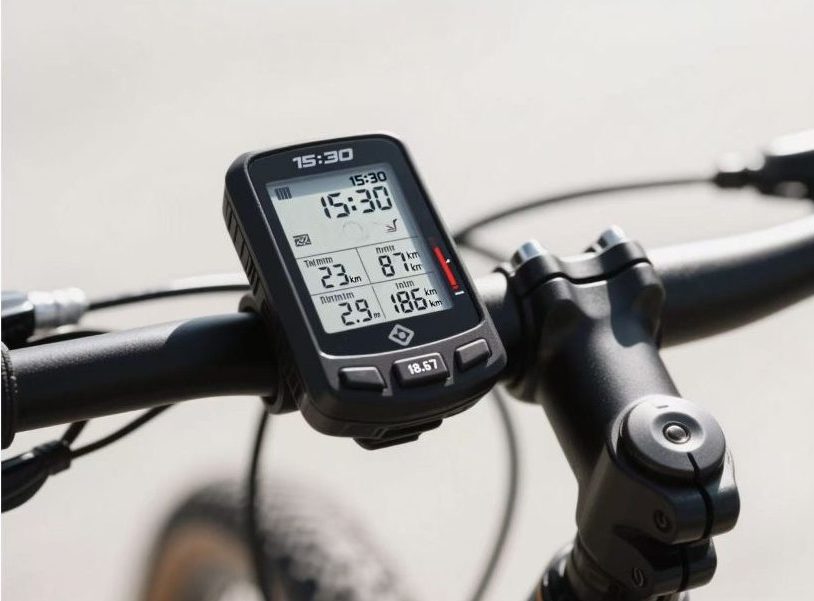
Modern rugged TFT display solutions incorporate multiple advanced technologies to achieve the required durability and performance.
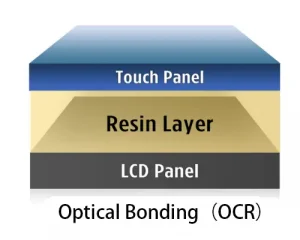
- Optical bonding technology eliminates the air gap between the touch panel and LCD, significantly reducing internal reflection and improving sunlight readability.
- Chemical strengthening processes enhance the surface durability of the cover glass, making it resistant to scratches and impacts.
- For touch functionality, advanced projected capacitive touch technology with enhanced signal processing enables reliable performance even in wet conditions or with gloved hands.
These technologies combine to create a display system that maintains optimal performance across the wide range of conditions encountered in cycling applications.
Achieving Sunlight-Readable TFT Performance
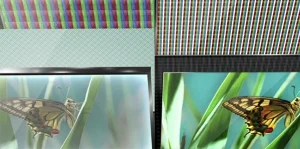
The quest for sunlight-readable TFT performance requires addressing both brightness and contrast considerations. High-brightness LED backlighting systems capable of delivering 1000+ nits of output are essential for overcoming ambient sunlight.
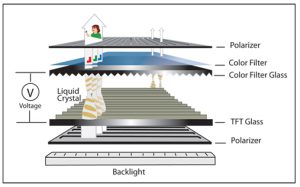
However, brightness alone is insufficient without proper contrast management. Advanced polarizer technologies and anti-reflective coatings work together to minimize surface reflections that can wash out the display image.
Additionally, high-quality panel technology with excellent viewing angle characteristics ensures that the display remains readable even when viewed from extreme angles, which is particularly important when the computer is mounted in various positions on the bike.
Sunlight Readability Comparison Table
| Specification | Standard Display | Sunlight-Readable TFT |
|---|---|---|
| Brightness | 300-500 nits | 1000-1500 nits |
| Contrast Ratio | 500:1 | 1000:1 |
| Surface Reflection | >5% | <2% |
| Operating Temperature | 0°C to 50°C | -30°C to 80°C |
Efficient Power and Thermal Management for Low-Power Wide-Temperature TFT Displays
Modern bike computers require displays that optimize both power efficiency and thermal performance. Low-power TFT display technology achieves extended battery life through adaptive brightness control, partial screen updating, and smart sleep modes. Simultaneously, wide-temperature TFT components ensure reliable operation from -30°C to 80°C using temperature-stable materials and compensation algorithms.
This integrated approach maintains consistent visibility while maximizing battery life across all riding conditions. Advanced thermal management prevents overheating during high-temperature operation, while specialized liquid crystals ensure stable performance in cold environments. The result is a display that delivers reliable performance while conserving power throughout diverse riding conditions.
Key Benefits:
-
40% lower power consumption across temperature extremes
-
Instant operation from -30°C to 80°C
-
Consistent brightness and contrast in all conditions
-
Extended battery life for long-distance riding
Conclusion: The Future of Bike Computer Display Technology
The development of advanced rugged TFT display technology continues to evolve with emerging innovations in materials science and display technology.
Future developments may include reflective display technologies for dramatically reduced power consumption, flexible displays that can conform to aerodynamic form factors, and even more robust touch technologies that work flawlessly in all weather conditions.
As bike computers become more sophisticated and integrated with cycling ecosystems, the display will remain the critical interface that determines the overall user experience.
By understanding and addressing the unique challenges of the cycling environment, display manufacturers can continue to deliver solutions that meet the evolving needs of cyclists worldwide.