The Digital Transformation of Fitness Equipment
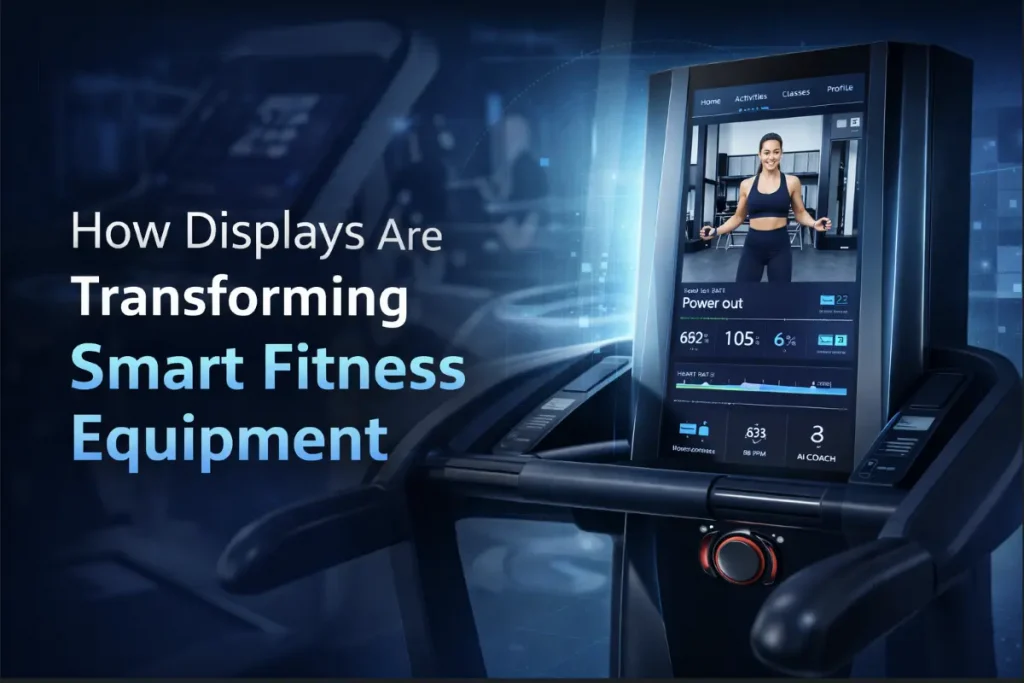
Smart fitness equipment displays are transforming how modern gym machines interact with users. Traditional fitness equipment such as treadmills, rowing machines, and strength training devices are increasingly evolving into connected digital systems.
In modern fitness equipment, displays are no longer simple indicators. Instead, they serve as the central interface between the user and the machine, enabling interactive workouts, performance tracking, and personalized training experiences.
As digital technologies such as AI coaching, IoT connectivity, and cloud-based fitness platforms continue to expand, the role of displays in fitness equipment is becoming increasingly important.
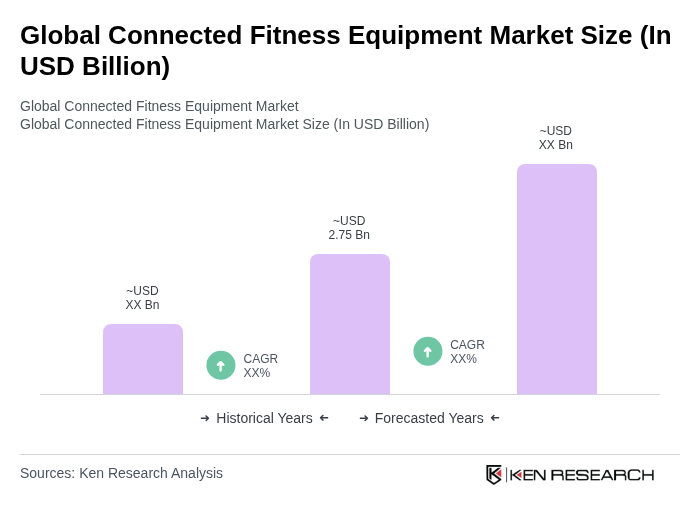
According to industry research, the global connected fitness equipment market has experienced strong growth in recent years and is expected to expand significantly as smart training systems become more widely adopted.
The Rise of Smart Fitness Equipment Display
In recent years, the concept of connected fitness has gained significant momentum. Modern training devices are designed not only to provide mechanical resistance or movement but also to deliver digital training experiences.
Many new fitness products now include features such as:
- Interactive workout programs
- Real-time performance tracking
- Personalized training plans
- Cloud connectivity and mobile integration
These innovations transform traditional exercise equipment into interactive digital platforms.
To support these features, manufacturers increasingly rely on touchscreen displays to provide intuitive user interfaces and real-time information. Displays allow users to easily interact with the equipment while accessing training data and guidance.
The Role of Displays in Smart Fitness Equipment
Displays play several key roles in modern fitness devices.
Interactive Training Experience
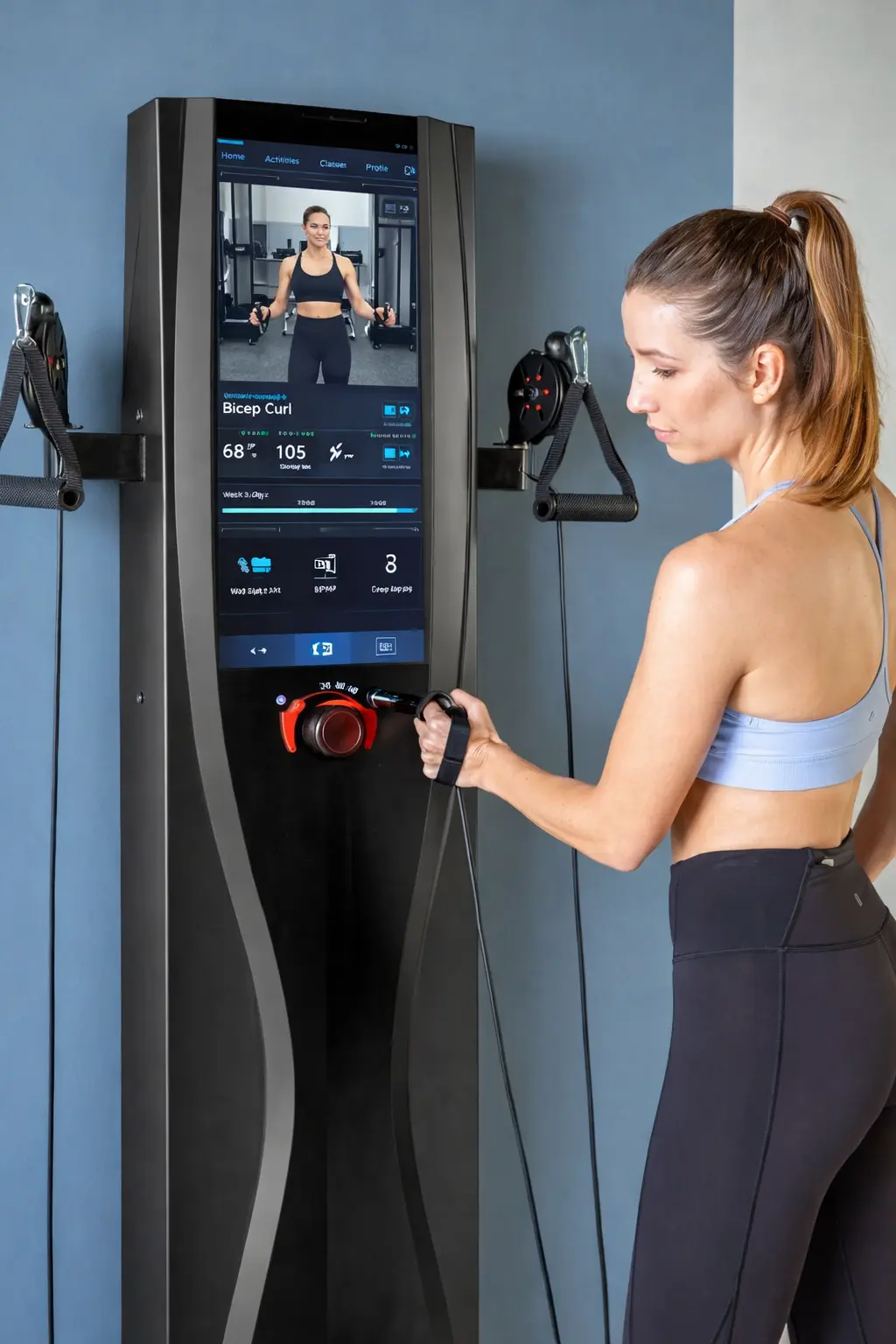
Many smart fitness machines provide guided workout programs, exercise animations, or digital coaching.
A display allows users to:
- Follow workout instructions
- Watch training demonstrations
- Receive real-time exercise feedback
Touchscreen interfaces make it easy for users to switch training modes or adjust settings during workouts.
Real-Time Performance Data
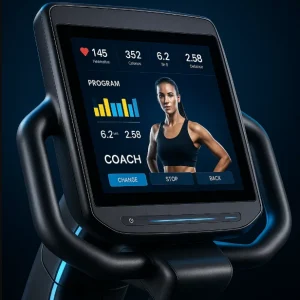
Modern fitness equipment can monitor a wide range of workout metrics such as:
- Heart rate
- Calories burned
- Workout duration
- Resistance level
- Training performance
Displays provide a clear and intuitive way to visualize this data, helping users track progress and stay motivated.
Equipment Control Interface
Beyond displaying workout information, the screen often acts as the primary control panel of the machine.
Instead of traditional buttons, modern equipment uses graphical user interfaces where users can:
- Select workout programs
- Adjust resistance or speed
- Log into personal profiles
- Access workout history
This improves usability and provides a more engaging user experience.
Typical Smart Fitness Equipment Display Sizes
While large screens are sometimes used in fitness mirrors or interactive training stations, many smart fitness machines integrate mid-size displays as the main control interface.
Common display sizes include:
These sizes provide an ideal balance between readability, installation flexibility, and system cost. A smart fitness equipment display provides users with workout guidance, performance data, and equipment control functions.
They are large enough to display detailed workout data and intuitive user interfaces while remaining compact enough to integrate into equipment panels.
As a result, 10–15 inch touchscreen displays are widely used in gym machines, rehabilitation equipment, and smart training systems.
Industrial Design Trends: Mirror Glass and Integrated Displays
As smart fitness devices increasingly enter homes, design aesthetics are becoming more important.
Manufacturers are moving toward modern consumer-electronics-style designs rather than traditional industrial equipment.
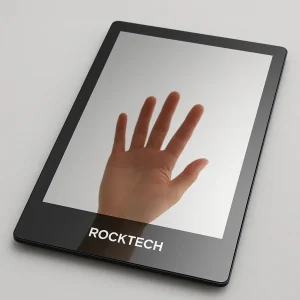
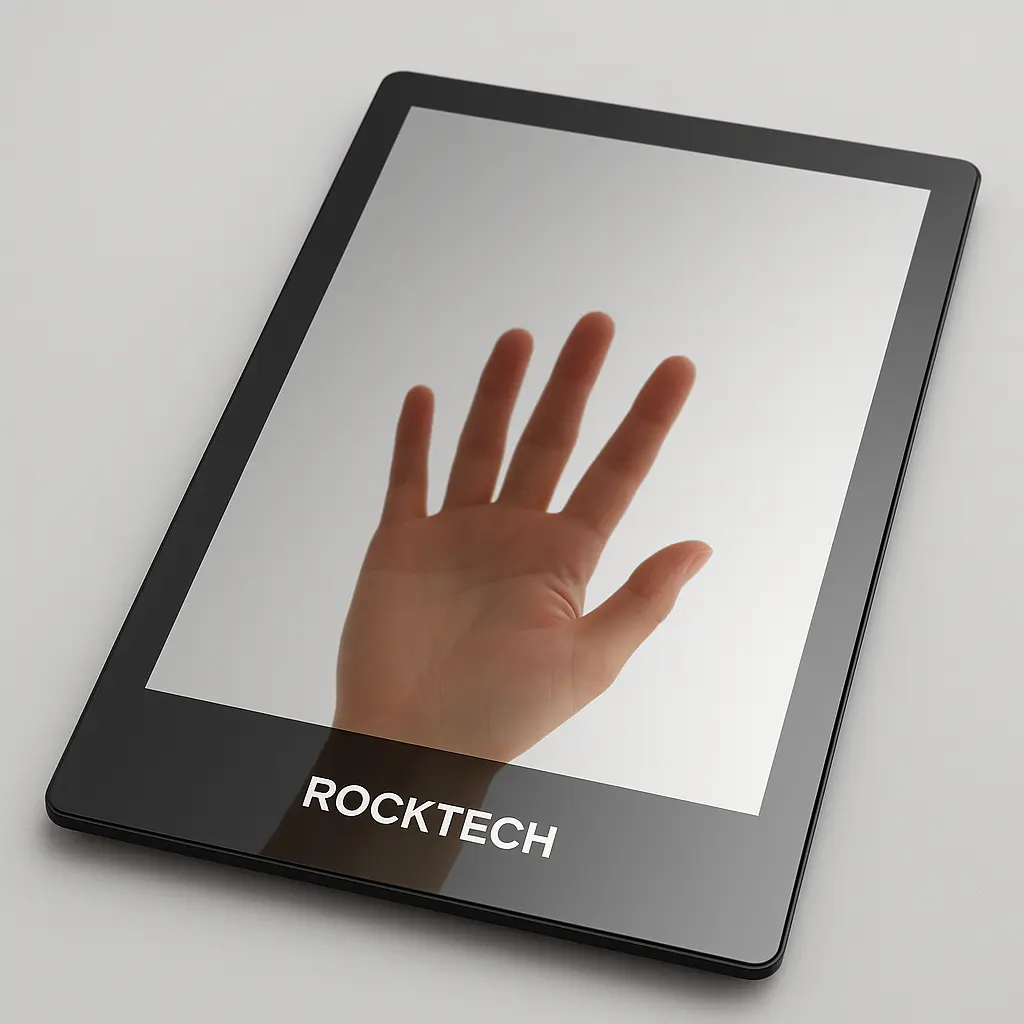
One emerging trend is the use of mirror-finish or all-black integrated glass front panels. In many premium devices, the smart fitness equipment display is integrated behind mirror-finish glass to create a seamless front panel design.
With this design approach:
- When the display is off, the device appears as a clean black or mirror-like surface
- When the screen turns on, the interface becomes visible through the glass
This design offers several benefits:
- Premium and minimalistic appearance
- Hidden display borders for a seamless front panel
- Integration of logos or icons in the glass panel
- Improved product aesthetics
Custom cover glass solutions such as mirror finish surfaces, silk printing, anti-glare coatings, and optical tuning enable manufacturers to create these integrated designs.
Key Display Requirements for Fitness Equipment
Fitness equipment often operates in demanding environments such as gyms or training studios. Displays used in these devices must meet several technical requirements.
High Brightness
Gym environments are typically well lit, requiring displays with sufficient brightness to ensure readability.
Wide Viewing Angles
Users may view the screen from different positions during workouts, making wide viewing angles important.
Durable Cover Glass
Touchscreens experience frequent interaction, so durable cover glass improves reliability and longevity.
Anti-Glare Surface Treatment
Anti-glare coatings reduce reflections from overhead lighting and improve screen visibility.
Long Lifecycle Availability
Commercial equipment manufacturers often require stable component supply for many years.
Integrated Display and Embedded System Solutions
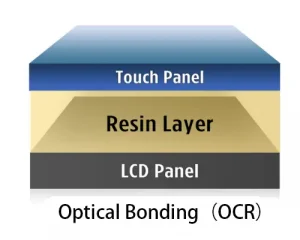
A complete smart fitness equipment display solution often combines LCD, touch panel, cover glass, and embedded control boards.
Manufacturers often require more than just an LCD module. A typical system may include:
- TFT LCD display
- PCAP capacitive touch panel
- Custom cover glass
- Embedded processing board
- Android or Linux operating system
Integrated display platforms that combine these components can simplify product development and reduce system complexity.
Customization capabilities are particularly important because fitness equipment manufacturers often require specific configurations related to:
- Mechanical integration
- Interface connectivity
- Touch sensitivity tuning
- Display brightness
- Front glass design
Flexible hardware solutions that combine custom display modules and embedded boards allow manufacturers to accelerate development and create differentiated products.
The Future of Smart Fitness Equipment Interfaces
As digital technologies continue to reshape the fitness industry, displays will play an even greater role in device design.
Future smart fitness systems may integrate technologies such as:
- AI-based training guidance
- Motion tracking
- Personalized workout analytics
- Connected health platforms
All of these innovations rely on intuitive and reliable display interfaces.
For equipment manufacturers, selecting the right display solution is becoming an important step in building next-generation fitness products. As connected training systems continue to evolve, the smart fitness equipment display will remain a key interface in next-generation fitness devices.