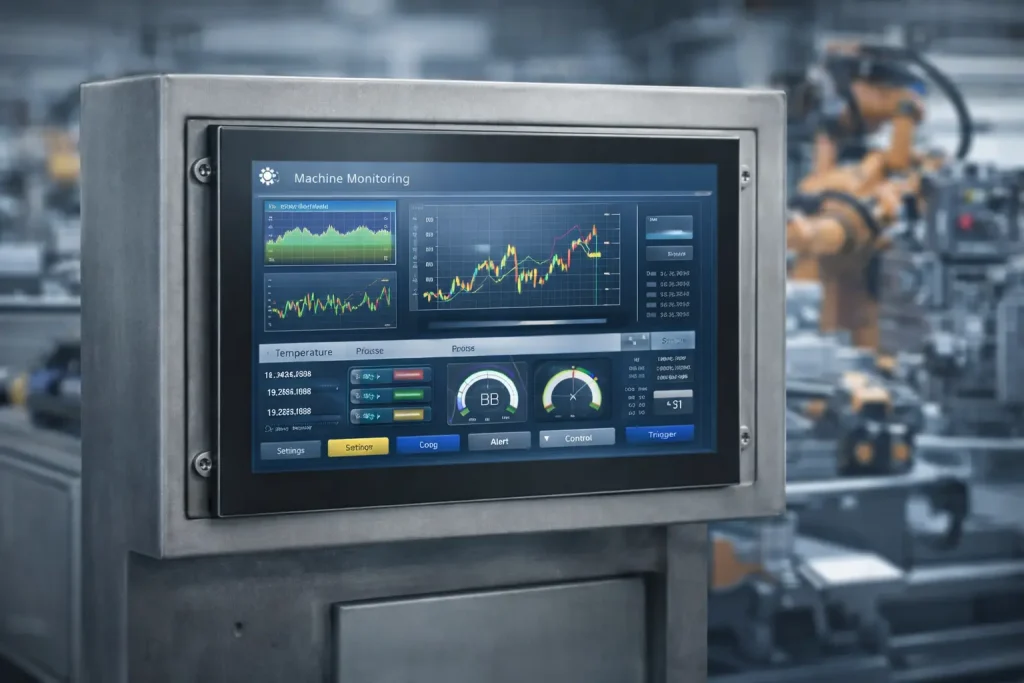
Industrial equipment increasingly relies on visual interfaces for monitoring, control, and data interaction. From factory automation systems to smart agriculture machines and medical equipment, the industrial display panel plays a critical role in enabling efficient human-machine interaction.
Unlike consumer displays, industrial environments require higher reliability, longer product lifecycles, and stronger environmental resistance. In many modern systems, the display panel is also integrated with an embedded processing board, forming a complete HMI (Human-Machine Interface) solution.
This article explains what an industrial display panel is, its key features, common applications, and how to choose the right industrial display and embedded platform for your project.
What Is an Industrial Display Panel
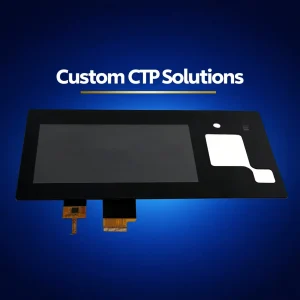
An industrial display panel is a specialized display module designed for use in industrial equipment and professional devices. Compared with consumer-grade screens, industrial displays are engineered to operate reliably in harsh environments and over long product lifecycles.
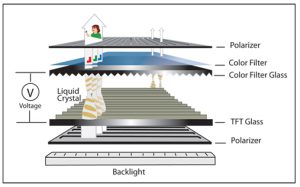
A typical industrial display module may include:
- TFT LCD display
- Touch panel (capacitive or resistive)
- Protective cover glass
- Backlight system
- Display interface circuitry
In many applications, the display panel works together with an embedded board or single-board computer (SBC) to create a complete user interface system. This combination allows devices to display information, process data, and provide interactive control.
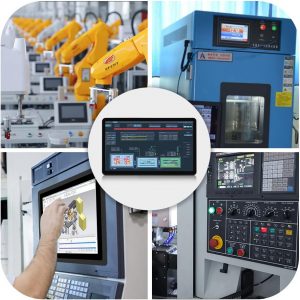
Industrial display panels are widely used in:
- Industrial automation equipment
- Medical devices
- Smart agriculture systems
- Building control panels
- IoT terminals and smart devices
Key Features of Industrial Display Panels
Industrial environments demand display solutions that are far more robust than standard consumer screens. A reliable industrial TFT display must provide stable performance even under demanding conditions.
High Reliability
Industrial systems often run continuously for long periods. Therefore, an industrial LCD display panel must be designed for durability and long-term operation.
Key reliability features include:
- Industrial-grade components
- Stable backlight systems
- Robust driver electronics
These features help ensure stable performance even in vibration-prone or electrically noisy environments.
Long Product Lifecycle
Consumer electronics change rapidly, but industrial equipment may remain in production for many years.
A typical industrial display panel supplier must support product lifecycles of 5–10 years or longer, ensuring that equipment manufacturers can maintain consistent supply during the entire lifecycle of their products.
Wide Operating Temperature
Industrial equipment is often installed in challenging environments such as factories, outdoor machinery, or transportation systems.
A typical industrial LCD display supports wider temperature ranges such as:
- –20°C to +70°C
- –30°C to +80°C (for extreme environments)
Wide temperature support ensures reliable operation in both cold and hot environments.
High Brightness and Sunlight Readability
Many industrial devices operate outdoors or in brightly lit environments. In such cases, a sunlight readable industrial display becomes essential.
While standard displays typically provide around 250–300 nits, industrial displays can reach: 800 nits; 1000 nits; 1500 nits or higher
High brightness displays are widely used in:
- agricultural machinery
- outdoor kiosks
- marine equipment
- construction vehicles
Industrial Touch Interface
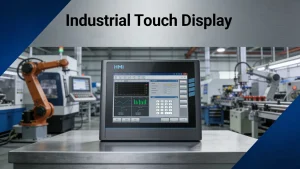
Modern equipment often requires intuitive user interaction. An industrial touch display enables operators to control devices through graphical interfaces.
Common touch technologies include:
Capacitive touch panels (PCAP)
- multi-touch support
- smooth user experience
- commonly used in modern HMI systems
Resistive touch panels
- suitable for gloves or stylus operation
- often used in harsh industrial environments
Industrial Display Panels as Part of HMI Systems
In modern equipment design, the display panel is only one component of a complete embedded HMI system.
A typical HMI architecture includes:
- Industrial display panel
- Touch interface
- Embedded processor board
- Operating system (Android or Linux)
- Application software
The display module is responsible for visual output and user interaction, while the embedded board processes data, runs the operating system, and controls device communication.
This integrated architecture allows engineers to build powerful and intelligent user interfaces for industrial devices.
Embedded Boards for Industrial Display Systems
To build a complete HMI device, many engineers combine the industrial display panel with an embedded single-board computer.
An embedded board for display systems typically includes:
- ARM-based processor
- RAM and storage
- multiple communication interfaces
- operating system support
Common interface options include: USB; UART; Ethernet; RS485; CAN bus; SPI / GPIO etc.
Embedded boards enable industrial devices to perform tasks such as:
- data processing
- graphical user interface rendering
- communication with sensors and controllers
- cloud connectivity and IoT integration
Platforms based on ARM processors are widely used due to their low power consumption and strong performance.
Operating systems commonly used in embedded HMI systems include: Android and Linux . These platforms support modern GUI frameworks and simplify application development.
Common Applications of Industrial Display Panels
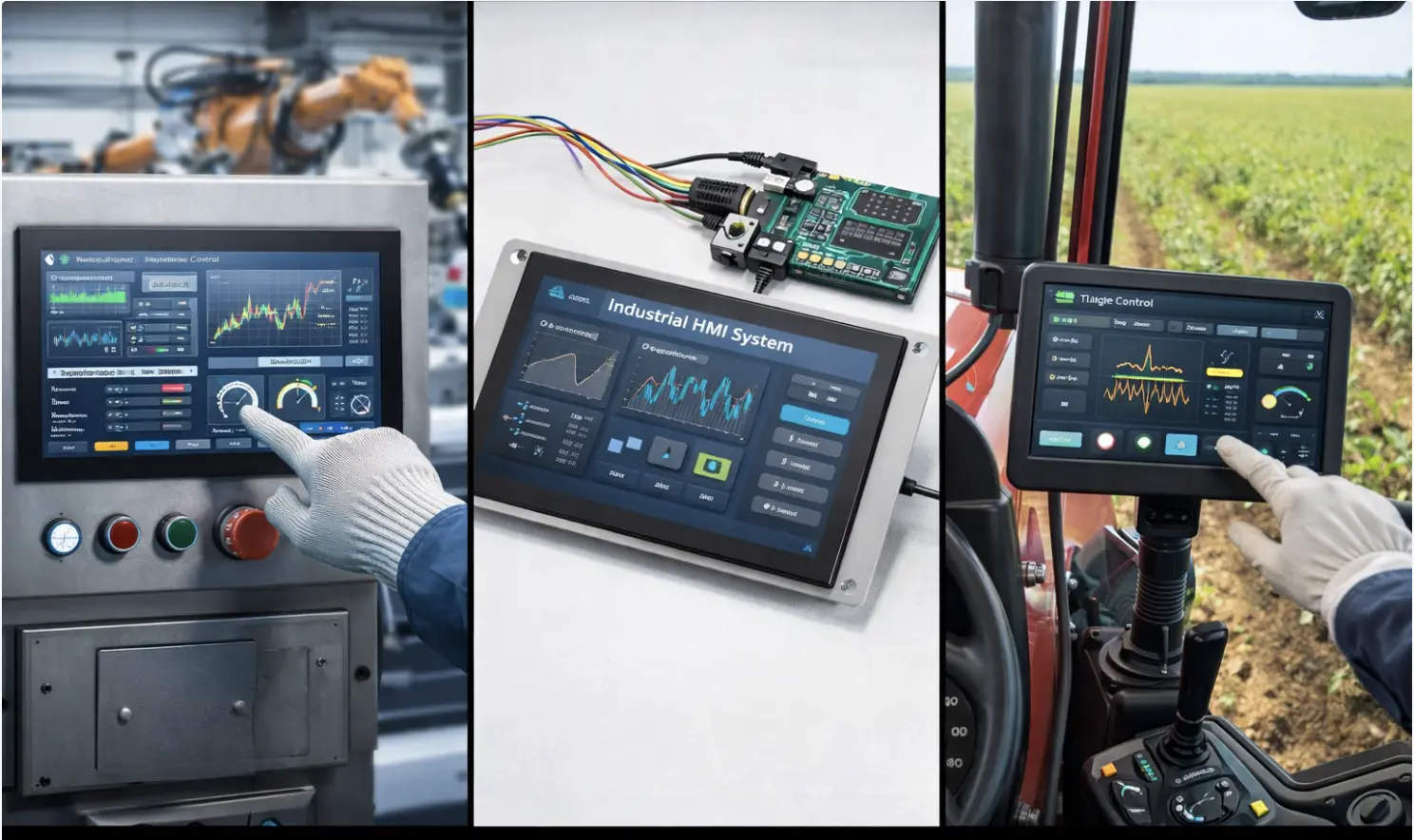
Industrial display panels are used across many industries where reliable user interfaces are required.
Industrial Automation
Industrial automation systems rely heavily on industrial HMI displays for monitoring and control.
Typical applications include:
- PLC control terminals
- machine control panels
- factory automation equipment
These systems require stable displays that can operate continuously in demanding environments.
Medical Devices
Medical equipment often uses industrial LCD display panels for diagnostic interfaces and monitoring systems.
Examples include:
- patient monitoring devices
- laboratory instruments
- medical imaging equipment
High reliability and clear image quality are essential in these applications.
Smart Agriculture
Agricultural machinery increasingly relies on digital control interfaces.
Examples include:
- irrigation control systems
- agricultural machinery displays
- precision farming equipment
In these scenarios, high brightness industrial displays are often required for outdoor visibility.
Smart Home and Building Control
Industrial-grade displays are also used in building automation and smart control systems.
Applications include:
- smart home control panels
- building management systems
- energy monitoring interfaces
These systems benefit from touch-enabled industrial display modules combined with embedded computing platforms.
How to Choose the Right Industrial Display Panel
Selecting the right industrial display panel requires careful consideration of both display performance and system architecture.
Display Size and Resolution
Common industrial display sizes include:
- 4.3 inch
- 5 inch
- 7 inch
- 10.1 inch
- 12.1 inch
- 15.6 inch
The appropriate size depends on the user interface design and available installation space.
Display Interface Compatibility
Different displays support different signal interfaces, including:
- RGB
- LVDS
- MIPI
- HDMI
Engineers must ensure that the selected display is compatible with the embedded processor platform.
Touch Requirements
Depending on the application, a device may require:
- capacitive multi-touch
- glove operation
- waterproof touch capability
The choice of touch technology will affect usability and durability.
Environmental Protection
Industrial environments may require additional protection features such as:
- anti-glare surface treatment
- anti-fingerprint coating
- waterproof sealing
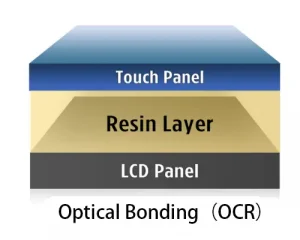
- optical bonding for improved visibility
These features improve reliability and user experience in demanding environments.
Custom Industrial Display and HMI Solutions
Many industrial projects require customized display and HMI solutions tailored to specific equipment designs.
Customization options may include:
- custom cover glass design
- optical bonding integration
- high brightness backlight configuration
- wide temperature optimization
- custom touch firmware
- integrated embedded boards
By combining industrial TFT displays, touch interfaces, and embedded computing platforms, manufacturers can create highly integrated and reliable HMI solutions for modern equipment.
Conclusion
The industrial display panel is a key component in modern industrial equipment, enabling intuitive human-machine interaction and efficient system control.
When combined with embedded boards and HMI platforms, industrial display modules become powerful interfaces that support data visualization, device control, and intelligent system management.
Choosing the right industrial display solution requires careful consideration of display performance, environmental requirements, and embedded system compatibility.
As industrial equipment continues to evolve toward smarter and more connected systems, integrated industrial display and embedded HMI solutions will play an increasingly important role in future device design.